Essential Winter Vitamins: Vitamin D3 The Sunshine Vitamin
Nov 21, 2022
Vitamins and Supplements
As soon as the clocks change in the UK, the days become shorter, and sunlight seems in short supply. In fairness, the UK doesn’t hit the charts for the sunniest place at the best of times. Over the winter, many of us spend more time indoors because of the cold and wet weather, which means our bodies are exposed to even less natural sunlight. Since sunlight is the main source of vitamin D3, our levels can drop quickly throughout autumn and winter.
Topping up your vitamin D3 intake during the colder months is a simple and effective way to maintain good health. Here is everything you need to know.
What Does Vitamin D3 Do?
Vitamin D is an essential nutrient and is needed for balancing phosphate and calcium. These minerals are needed to keep your bones, muscles and teeth strong.
Vitamin D is also connected to:
- Immune health
- Heart health
- Gum health
- Muscle strength
- Normal brain function
- Mood regulation
When Vitamin D3 levels fall too low, adults may develop bone pain or a condition called osteomalacia that results in weaker bones. Children with severe Vitamin D3 deficiencies are also at risk of developing rickets, which leads to bone deformities.
Although these conditions sound severe and are relatively rare, maintaining healthy vitamin D levels is straightforward with the right balance of sunshine and supplements.
How Much Vitamin D Should You Take Per Day?
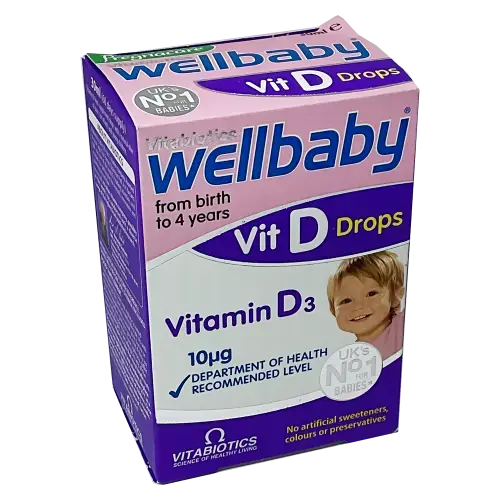
According to the NHS, adults and children aged four and over should consider taking 10 micrograms (µg) of vitamin D per day during autumn and winter.
Some people are advised to take a supplement throughout the year. This includes:
- People who spend very little time outdoors
- Individuals in care homes
- People who cover most of their skin when outside
- People with darker skin who may not produce enough vitamin D from sunlight
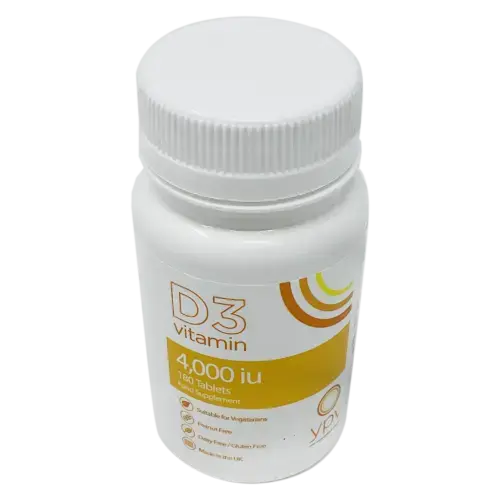
The NHS states that you should avoid taking more than 100 micrograms (4,000 IU) per day unless advised by a healthcare professional.
What Are the Sources of Vitamin D?
There are numerous ways to incorporate vitamin D3 into your diet and through spending time outside.
Sunlight - Naturally Vitamin D3
During spring and summer, most people can produce enough vitamin D through sunlight on their skin. Unfortunately, from October to early March, UK sunlight is not strong enough for adequate vitamin D production.
Food Sources of Vitamin D3
Only a small number of foods contain vitamin D naturally, such as:
- Oily fish, including salmon, sardines and mackerel
- Red meat
- Liver
- Egg yolks
Some foods are fortified with vitamin D, including certain spreads and breakfast cereals.
Despite these options, many people struggle to get enough through diet alone, which is why supplements are widely recommended.
How Do You Know If You Have Low Vitamin D?
Vitamin D deficiency is common in the UK, but symptoms are not always obvious. Signs may include:
- Low mood or feeling run down
- Muscle weakness
- Tiredness or fatigue
- Bone or joint discomfort
- Frequent colds or infections
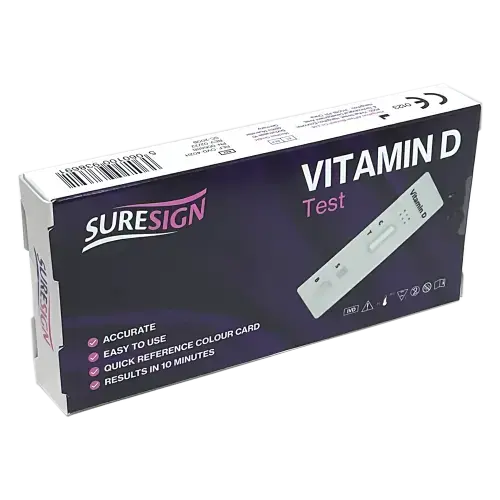
A most effective way to check your levels is through a blood test arranged by your GP. Home testing kits are also available if you prefer a convenient option.
Why Vitamin D3 is the Preferred Form
There are two main forms of vitamin D in supplements: D2 and D3. Vitamin D3 is generally considered more effective at raising and maintaining healthy levels in the body. It mimics the form produced naturally by the skin when exposed to sunlight and is the type most experts recommend.
Why Take Vitamin D3 and Vitamin K2 Together?
A growing number of people choose supplements that combine vitamin D3 with vitamin K2.
How They Work Together
- Vitamin D3 supports the absorption of calcium.
- Vitamin K2 helps guide calcium to the bones and teeth, and prevents it from depositing in soft tissues.
- Taking them together supports better calcium utilisation in the body.
Solutions such as Hinnao Vitamin D3 + K2 use advanced delivery technology for improved absorption. The liquid droplet format is designed to be held in the mouth briefly before swallowing, which increases how much your body absorbs and makes it a convenient option for year-round use.
Other Winter Vitamins You May Need
While vitamin D3 is vital, it is not the only nutrient that can support your health during winter.
Vitamin C
Supports the immune system and helps protect cells from oxidative stress. Almus Vitamin C offers a simple and affordable option.
Zinc
A key mineral for immunity, skin health and wound healing. Options such as HealthAid Zinc Sulphate are ideal for topping up low dietary intake.
Multivitamins
Many people choose a daily multivitamin during winter for broad coverage. A value multivitamin provides a range of essential nutrients, including vitamin D.
If dry skin or winter eczema is an issue, you might also find the QV Skincare Bundle helpful for maintaining skin barrier health.
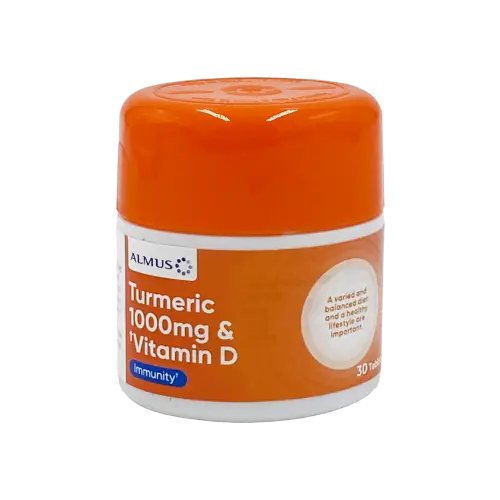
At SimplyMeds Online, you will find a full range of vitamin D3 supplements suitable for the whole family.
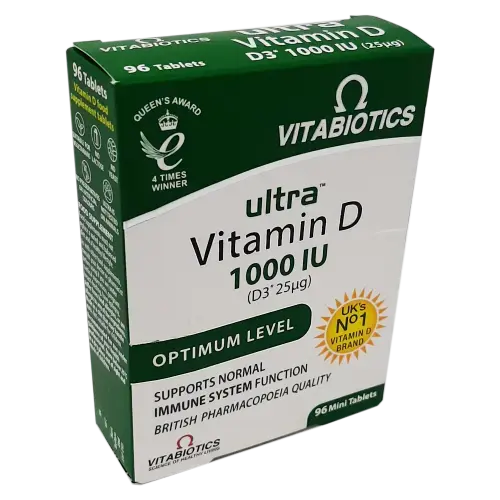
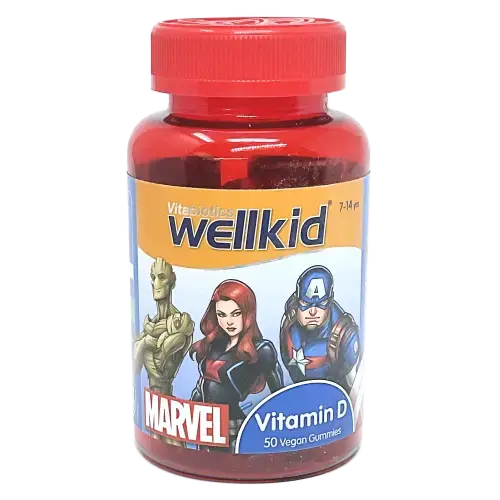
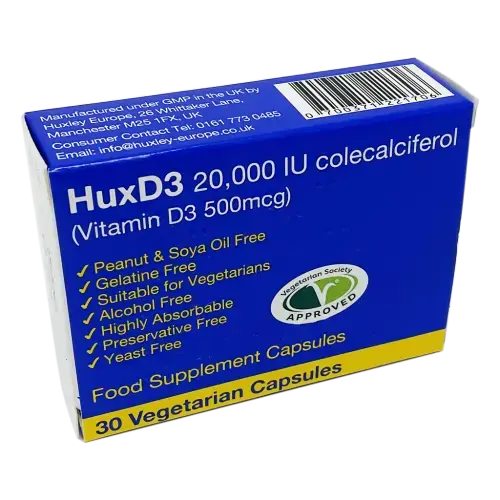
Popular options include:
Always read the dosage instructions carefully and speak to your GP or pharmacist if you are unsure which strength is right for you.
Vitamin D in the UK - Make Sure You Get Enough
The UK winter makes it difficult for most people to maintain healthy vitamin D levels. Supplementing with vitamin D3 is a simple way to support your bones, muscles and immune system throughout the colder months. Adding vitamin K2, vitamin C, or zinc can provide further support, especially if you struggle with low energy, colds or reduced sunlight exposure.
If you have any concerns about your vitamin D levels, speak to a healthcare professional or arrange a test.
For trusted supplements delivered to your door, visit Simply Meds Online. All of our products are sent quickly and discreetly to the address nominated on your account.


 Account