UVA-PF vs. PPD vs. PA: Understanding UVA Protection Ratings
Published:
30th Jun 2026
Skin Care
When we talk about sun safety, the conversation usually begins and ends with SPF. We have been conditioned to look for the highest number on the bottle, assuming a high SPF is a total shield against the sun. However, SPF (Sun Protection Factor) is a metric that primarily measures protection against UVB rays, which are the short-wave radiation responsible for that painful, red surface burn.
If you are concerned with skin health, dark spots, or keeping your skin looking youthful, SPF is only half of the equation. To truly protect your skin, it helps to understand the slightly more complex world of UVA ratings, including PPD, PA, and UVA-PF.
The Simple Difference: UVA vs. UVB
To understand why these ratings matter, we can look at how different types of light interact with our skin. Light is measured in nanometres (nm), and even though we cannot see UV light, it is always at work.
UVB: The Burn Rays
UVB rays have high energy but a short reach. They hit the outermost layer of the skin, the epidermis. These are the rays that cause sunburn and direct DNA damage, which can lead to skin cancers.
UVA: The Ageing Rays
UVA rays make up about 95 per cent of the UV radiation reaching the Earth. Unlike UVB, these rays penetrate much deeper, reaching the dermis where your collagen and elastin live. They are also incredibly persistent; they stay at a similar intensity all day, all year round, and can even pass through clouds and window glass. This means you are exposed to UVA while driving or sitting in your office. UVA causes photo-ageing by breaking down the structures that keep skin firm.
Decoding the Labels: PPD, PA, and UVA-PF
Because there is no single global rule for measuring UVA, you will often see a mix of acronyms. Here is what they actually mean for your skin.
PPD (Persistent Pigment Darkening)
Originally developed in Japan and widely used by European brands like those in the Altruist range, PPD is the UVA version of the SPF scale. It measures how much UVA it takes to make the skin tan or darken. If a product has a PPD of 20, it theoretically means your skin can withstand 20 times more UVA radiation before pigmenting compared to unprotected skin.
PA (Protection Grade of UVA)
The PA system is a simplified way of showing a PPD score, commonly found on Asian skincare. It uses plus symbols to show the level of protection:
- PA+ means a PPD between 2 and 4 (low)
- PA++ means a PPD between 4 and 8 (moderate)
- PA+++ means a PPD between 8 and 16 (high)
- PA++++ means a PPD of 16 or higher (extremely high)
SkinLabs Tip: While PA++++ is the ideal, it is worth noting that some sunscreens have a PPD much higher than 16, even though they share the same four pluses.
UVA-PF (UVA Protection Factor)
In the UK and Europe, the UVA Circle Logo is the standard to look for. For a sunscreen to earn this circle, its UVA protection must be at least one third of its advertised SPF. For example, an SPF 50 sunscreen must have a UVA-PF of at least 16.6. This prevents a false sense of security where you might stay out longer because you are not burning, while your deeper skin layers are still being damaged.
Why High UVA Protection is Non-Negotiable
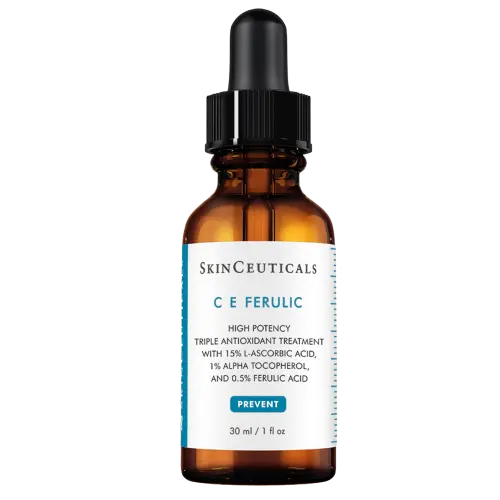
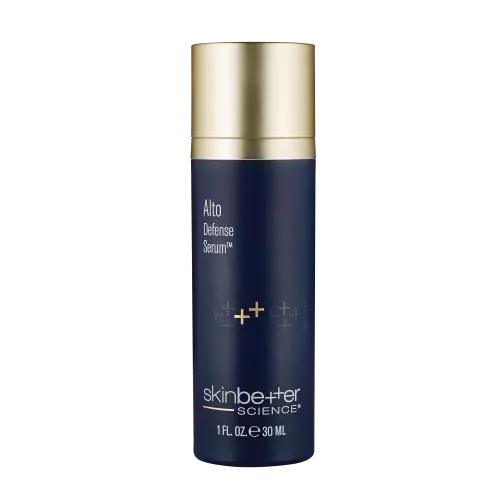
If you are investing in high-quality serums like SkinCeuticals C E Ferulic or Skinbetter Science Alto Defense Serum, you are working hard to repair and protect your skin. However, without high UVA protection, that hard work can be undone.
Pigmentation and Melasma
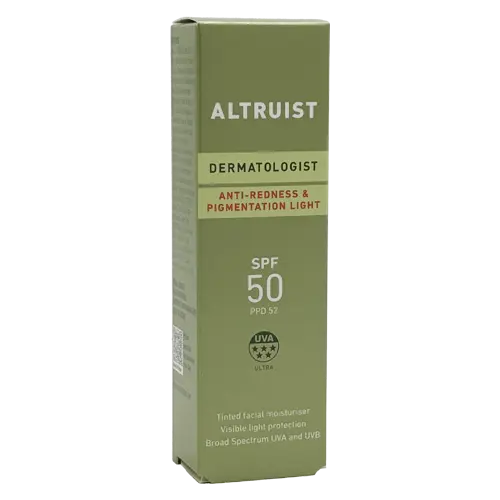
UVA rays are the main triggers for the cells that produce pigment. For those struggling with melasma or dark spots from old blemishes, even a few minutes of unprotected UVA exposure can trigger more pigment production. The Altruist Dermatologist Anti-Redness and Pigmentation Light SPF 50 is a popular choice as it uses high UVA-PF and iron oxides to block visible light, which is another known trigger for skin discolouration.
Keeping Skin Firm
UVA radiation triggers enzymes that damage your collagen and elastin. This process leads to the leathery texture and deep wrinkles we associate with sun damage. High UVA protection keeps those scissors tucked away.
Choosing Your Protection: The Altruist Range
The Altruist Dermatologist Sunscreen line was developed by Dr Andrew Birnie, a UK-based skin cancer surgeon. His goal was to make medical-grade, high UVA protection affordable and accessible.
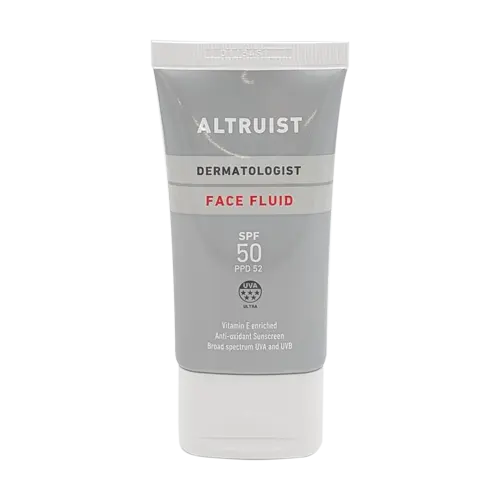
The Altruist Dermatologist Sunscreen SPF 50 is a standout product. While the law requires an SPF 50 to have a UVA-PF of 16.6, Altruist SPF 50 has a PPD of 20. Altruist Face Fluid SPF 50 has a PPD of 52. That is nearly triple the requirement and offers a level of protection usually only found in very expensive clinical brands. For a lighter daily option, the Altruist Dermatologist Sunscreen SPF 50 still offers a 5-star ultra rating, meaning the UVA protection is nearly equal to the UVB protection.
Top Tips for Application
To get the most out of these ratings, application is key:
- The Two-Finger Rule: For your face and neck, you need about 1.25 ml of cream. This is roughly the length of your index and middle fingers. If you use less, you are not getting the rating on the bottle. This is not an exact measurement, obviously, so please check the application instructions that come with your sun protection product.
- Layer with Antioxidants: No sunscreen blocks 100 per cent of rays. Applying an antioxidant serum underneath provides a second line of defence to clear up any damage the sun manages to sneak through.
- Do not forget the grey days: UVA is present even when it is raining in December. Make your high UVA sunscreen a non-negotiable part of your morning routine, just like brushing your teeth.
Your SkinLabs Guide to UVA Protection
Hopefully, this blog post from SkinLabs has helped you debunk the myth that basic sun cream suits every situation, and that the sun here in the UK is not something to worry about. This guide from BAD (British Association of Dermatologists) may also be helpful.
It is important to think of SPF as your protection against short-term damage, i.e. sunburn, and UVA ratings like PPD and PA as your protection against early ageing and long-term damage. By choosing a product with a high UVA-PF, like those in the Altruist range, you are giving your skin the best possible chance to stay healthy, clear, and youthful for years to come.


 Account