Psoriasis in the Summer - What to Look Out for and How to Treat Psoriasis
Aug 13, 2024
Eczema, Psoriasis and Dermatitis
Psoriasis is a chronic autoimmune condition characterised by red, flaky patches on the skin known as plaques. Due to the itching and soreness, psoriasis can be incredibly uncomfortable, even painful. Although the condition is not contagious, it can significantly impact the quality of life, especially during seasonal changes like summer. More awareness of what triggers psoriasis flare-ups and how to treat them goes a long way toward successfully managing it.
Understanding Psoriasis
Psoriasis affects approximately 2-3% of the global population and can first appear at any age, though it is most often diagnosed between 15 and 35. Environmental factors and triggers such as stress, infections, and certain medications can worsen symptoms or cause flare-ups. You may also be prone to psoriasis if someone in your family has it.
Psoriasis Awareness Month
August is Psoriasis Awareness Month, which aims to raise awareness of psoriasis. We can encourage understanding and support through education, support, and advocacy for those affected by the condition. Underlining the importance of understanding triggers, seeking proper treatment, and promoting acceptance and compassion results in improved quality of life for those with psoriasis. The Psoriasis Association offers a wealth of information and support for those with the condition and those wanting to know more.
Managing Psoriasis in Summer
As much as most of us love summer, it can be challenging for anyone with any skin condition. Effectively managing psoriasis involves a combination of lifestyle adjustments, proper skincare, and sometimes medical intervention. We’ve put together six tips on how to treat psoriasis, especially over the summer.
-
Protect Your Skin From the Sun
While sunlight can have a positive effect on psoriasis, it's crucial to avoid overexposure, especially during peak hours (10 AM to 4 PM). Choose a suncream (SPF 30 or higher) to prevent sunburn, which can worsen psoriasis symptoms. It’s all about balance and working out what your skin needs.
-
Stay Cool and Hydrated
Hot temperatures and sweating can make itching and discomfort worse. Wearing loose, breathable clothing such as cotton and staying hydrated can help.
-
Choose Gentle Skincare Products
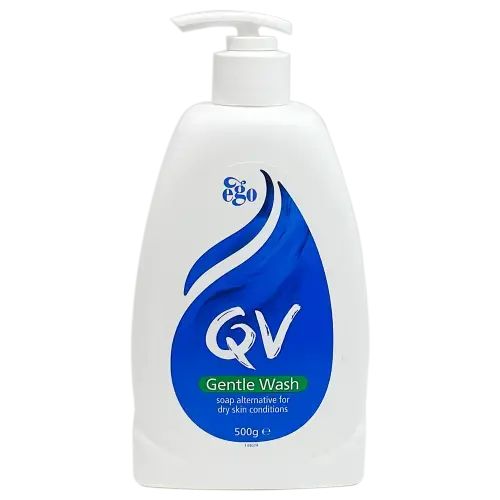
Opt for soap-free wash, cleansers and emollients that are gentle on sensitive skin. Products like QV Gentle Wash from Simply Meds Online are specifically formulated to cleanse without stripping natural oils, which can help maintain the skin barrier and reduce irritation.
-
Moisturise Your Skin Regularly
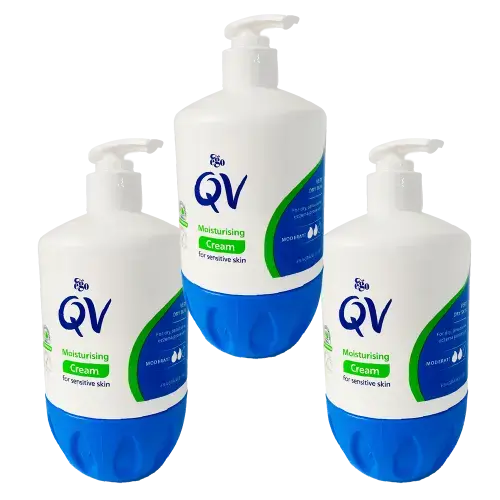
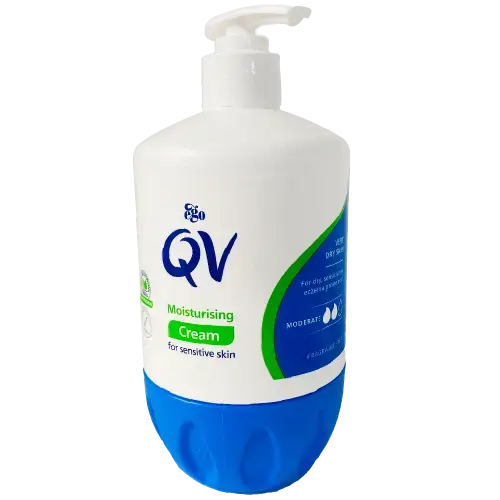
Keeping your skin moisturised is essential for managing psoriasis. Emollients like QV Cream provide intense hydration and help soothe dry, irritated skin. Remember to apply moisturiser immediately after bathing. This helps to lock in moisture for longer.
-
Stress May Trigger Psoriasis Flare-Ups
Stress often causes physical symptoms. Many individuals combat stress using meditation, gentle exercise, mindfulness/breathing exercises and yoga. If you feel stress is making your psoriasis worse and these techniques aren’t helping, it may be worth speaking to your GP about stress relief support.
-
Speak To Your Healthcare Team
If your psoriasis symptoms worsen or if you're experiencing discomfort that isn't alleviated by over-the-counter treatments, consult with a healthcare professional. They can recommend prescription medications or therapies tailored to your specific needs.
If you are using a steroid cream to treat your plaques, please consider using an emollient and a soap-free wash.
QV Skincare Products For Psoriasis Support
In collaboration with QV Skincare, Simply Meds Online offers a growing range of trusted products to help customers better manage their psoriasis. QV products are vegan-friendly, do not contain colour or fragrance, and are soap-free. Here are some of the most sought-after QV skincare products we have in stock:
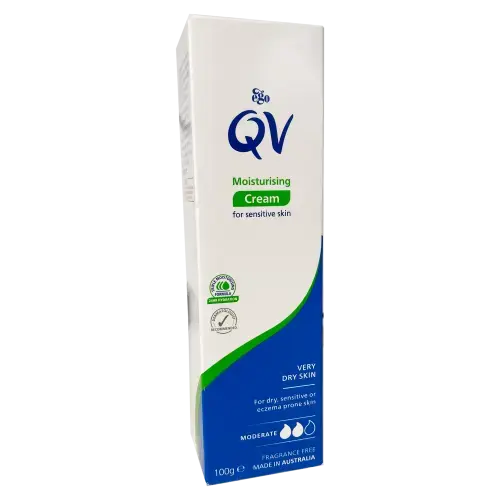
Simply Meds Online - QV Cream 500g and 100g
QV Cream is a rich, highly concentrated moisturising cream designed to relieve dry skin conditions, including psoriasis. This pH-balanced, easy-to-apply cream (complete with a pump top) offers an excellent addition to any skincare regimen for sensitive and dry skin. Download a guide to QV products here.
How QV Cream Helps with Psoriasis
Intense Hydration
Psoriasis often causes the skin to become extremely dry and flaky. QV Cream delivers intense hydration, which helps to soften and smooth the affected areas, reducing the appearance of scales and plaques.
Skin Barrier Protection
The cream helps restore and maintain the skin's natural protective barrier. This is crucial for psoriasis patients, as a compromised barrier can lead to increased irritation and flare-ups.
A Soothing Formula
QV Cream contains no fragrance, colour, or lanolin, making it suitable for sensitive skin. Its gentle formula soothes irritated and inflamed skin, providing relief from itching and discomfort.
Regular use of QV Cream can significantly improve skin hydration, reduce symptoms of psoriasis, and enhance overall skin health. The cream should be applied liberally to affected areas, especially after bathing or showering, when the skin is most receptive to moisture.
Simply Meds Online - QV Gentle Wash
QV Gentle Wash is a mild yet effective soap-free wash and cleanser. It is gentle enough to cleanse without irritating skin. Available in a 500g bottle with a pump lid for convenience, this wash is ideal for daily use by individuals with psoriasis. A top tip: This wash can also be used on hair to help manage dry and sensitive scalps.
How QV Gentle Wash Helps with Psoriasis
A Non-Irritating Cleanser
Traditional soap can remove the skin's natural oils, leading to irritation and dryness. QV Gentle Wash is formulated without soap to cleanse without compromising the skin’s natural moisture.
QV Gentle Wash is crucial in managing psoriasis by maintaining the skin's natural pH balance. This balance can significantly reduce the risk of flare-ups, making QV Gentle Wash the daily choice for many individuals with psoriasis.
Gentle Ingredients
Free from fragrances and colours, QV Gentle Wash minimises the risk of allergic reactions and is suitable for even the most sensitive skin types.
Using QV Gentle Wash daily can help manage psoriasis symptoms by keeping the skin clean and free from potential irritants while preserving its natural protective barrier.
Managing Psoriasis in the Summer - In Conclusion
Psoriasis can be challenging to manage, especially during the summer months. However, the right skincare routine and products can control symptoms, leaving you with healthier and more comfortable skin. Simply Meds Online offers a range of QV Skincare products, including QV Cream and QV Gentle Wash, which are specifically designed to provide the hydration and gentle care that psoriasis patients need.
Visit Simply Meds Online to discover the right products for your skincare needs and take the first step towards healthier skin today. For more detailed information about QV Skincare products and how they can benefit you, explore the resources available on the QV Skincare website. You’ll also find QV Skincare articles with practical advice, product guides, skincare tips and more.


 Account