Sensitive Skin, Strong Solutions: Psoriasis-Friendly Products You Can Trust
Aug 06, 2025
Eczema, Psoriasis and Dermatitis
August marks Psoriasis Awareness Month, a time that highlights debunking myths, sharing science-backed treatment insights, and offering support to those living with this often misunderstood skin condition.
At Simply Meds Online, we understand that living with psoriasis means more than managing flare-ups. It’s about navigating sensitive skin, making confident product choices and knowing when to seek advice from your pharmacist or GP. In this blog post, we’ll explain what psoriasis is, what makes skin sensitive and how you can build a routine with trusted, gentle skincare like MooGoo, QV, Epimax, Elocon, Nizoral and Betnovate.
What is Psoriasis?
Psoriasis is a long-term skin condition that causes patches of red, flaky, crusty skin covered with silvery scales. It most commonly appears on the elbows, knees, scalp and lower back, but it can occur anywhere on the body. According to the National Psoriasis Foundation, psoriasis affects more than 125 million people worldwide.
Despite how common it is, people believe the myth that psoriasis is contagious. It is not. Psoriasis is an autoimmune condition, meaning the immune system attacks healthy skin cells by mistake. This causes inflammation and speeds up skin cell production, leading to the visible plaques and discomfort many people experience.
There’s no permanent cure for psoriasis, but there are effective psoriasis treatments that reduce symptoms and improve quality of life. A combination of medicated products, natural skincare and lifestyle support can make a big difference.
What Makes Skin “Sensitive”?
People with psoriasis often have what is known as sensitive skin, which means their skin reacts easily to changes in temperature, humidity, ingredients or fabrics. Psoriatic skin is already inflamed, which can make it more reactive to things others might tolerate without any issue.
Using the wrong skincare can trigger a flare-up or worsen symptoms. That’s why psoriasis skincare must be gentle, fragrance-free where possible and packed with ingredients that soothe, protect and moisturise.
If you're unsure whether your skin is just dry or genuinely sensitive, a pharmacist can help you assess your symptoms and guide you to suitable treatments.
The Psoriasis-Friendly Product Checklist
Finding the right products can feel overwhelming, but focusing on a few key points makes it easier. Here’s what to look for in psoriasis-friendly products:
- Free from harsh chemicals or fragrances
- Formulated with hydrating ingredients like ceramides, urea or glycerin
- Soothing botanicals such as aloe vera or colloidal oatmeal
- Dermatologically tested and suitable for sensitive skin
- Non-comedogenic (meaning they won’t clog pores)
- Ideally available from a trusted source with pharmacy advice
Spotlight: MooGoo’s Natural Range
One brand consistently recommended for sensitive skin and psoriasis care is MooGoo. This Australian-born company focuses on natural, skin-kind ingredients designed to work gently without compromising on results. Here’s a closer look at their most popular products available through Simply Meds Online:
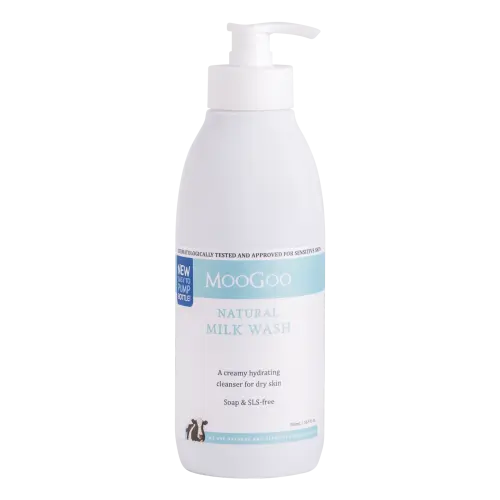
MooGoo Natural Milk Wash - This is a non-irritating body wash made with natural coconut and glucose-based cleansers. Ideal for psoriasis-prone skin, it doesn’t strip the skin’s barrier and helps maintain hydration during and after washing.
MooGoo Eczema Cream with Ceramide - Although designed for eczema, this cream is incredibly beneficial for psoriasis treatment. It contains ceramides, which help rebuild the skin barrier, and is free from steroids, making it safe for regular use.
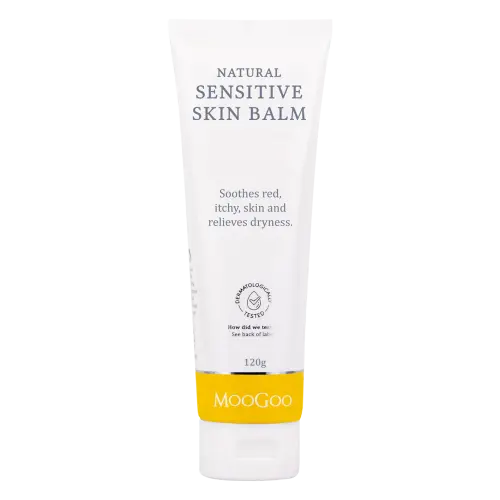
MooGoo Natural Sensitive Skin Balm - A very popular product with Simply Meds Online customers, this is a rich moisturiser ideal for calming flare-ups and irritated skin. It includes olive oil, aloe vera and allantoin, all known for their skin-healing properties.
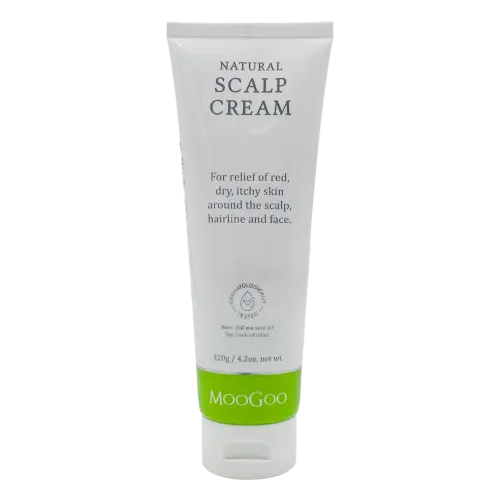
MooGoo Natural Scalp Cream - Scalp psoriasis is notoriously hard to treat, but this cream offers relief with ingredients like tea tree oil and piroctone olamine. It can be massaged directly into the scalp to reduce flaking and redness.
MooGoo Natural Skin Milk Udder Cream - A SMO customer favourite for all-over hydration, this light yet deeply moisturising cream is ideal for daily maintenance.
MooGoo Natural Scalp-Friendly Milk Shampoo - Free from harsh detergents like SLS, this shampoo cleanses gently while soothing the scalp. Perfect for ongoing scalp psoriasis care.
If you’re looking for a complete, natural psoriasis skincare routine, MooGoo offers a practical, affordable and trustworthy solution. All products on Simply Meds Online are shipped quickly and discreetly to the address you nominate.
Other Psoriasis Treatments to Consider
While natural products are helpful, some people may also require medicated solutions, which are often available with pharmacy advice. Here are some commonly used options:
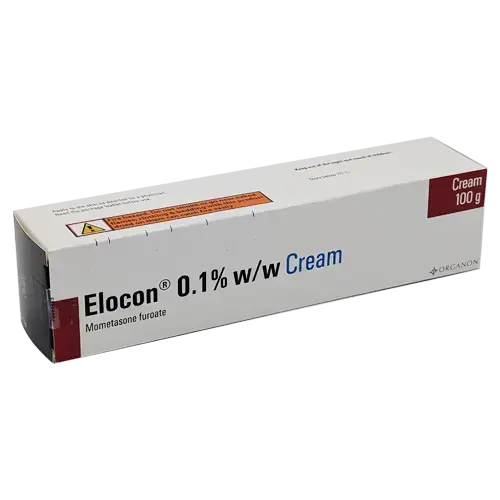
- Elocon (mometasone), a topical corticosteroid, is prescribed to reduce inflammation during flare-ups
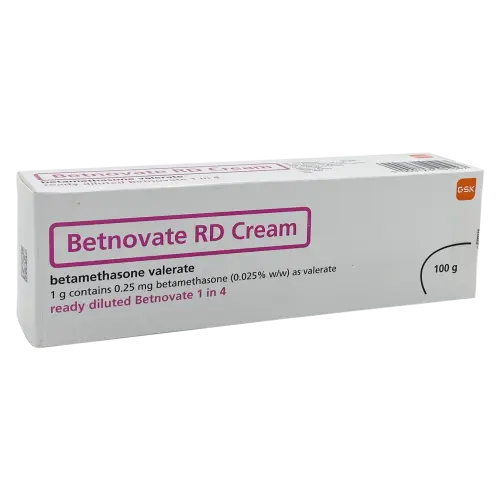
- Betnovate (betamethasone), another corticosteroid used to calm irritated, inflamed skin
- Epimax, an emollient range that helps lock in moisture and reduce dryness
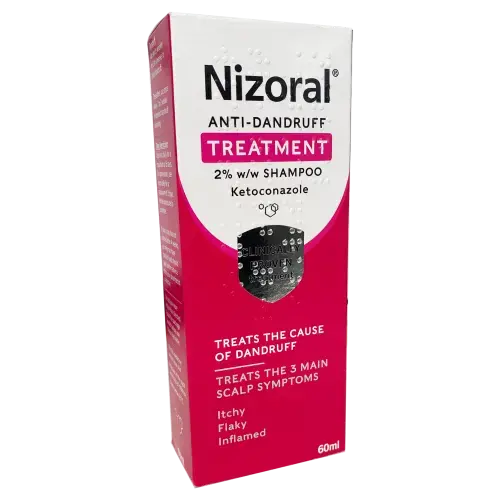
- Nizoral, an antifungal shampoo that may be used if there’s a buildup on the scalp or secondary infection
If you’re considering these treatments, consult your GP or pharmacist to ensure they are appropriate for your condition and symptoms.
When to Speak to a Pharmacist
You don’t need to wait for a GP appointment to get help. Your pharmacist can provide advice on:
- Choosing the right psoriasis skincare for your symptoms
- Understanding how to use corticosteroids safely
- Whether your skin concerns require referral to a doctor
- Managing multiple products without overloading sensitive skin
At Simply Meds Online, we’re here to help you make confident choices about your skin health. Our team understands the challenges that come with conditions like psoriasis and can recommend trusted treatments to suit your needs.
If you're experiencing worsening symptoms, infections or new reactions, please get in touch with your GP or dermatologist for advice and support.
In Support of Psoriasis Awareness
Awareness months like this one are essential because they spotlight both the physical and emotional impact of psoriasis. Many people still suffer in silence or face embarrassment due to outdated misconceptions.
According to this blog post from the NHS Ivel Medical Centre, the aim this August is to support those affected by psoriasis, educate the public and promote access to the right care and products.
With the right information, compassionate support and reliable psoriasis treatments, people can manage their symptoms and feel more in control of their skin.
Psoriasis-Friendly Products You Can Trust
Living with psoriasis doesn’t mean settling for irritation or discomfort. With careful product selection, gentle routines and advice from qualified professionals, you can support your skin naturally and effectively.
From MooGoo’s natural solutions to medicated treatments like Elocon and Betnovate, Simply Meds Online offers a wide range of psoriasis-friendly products you can trust. Whether you need daily moisturising, scalp care or pharmacy advice, we’re here to help. Here at Simply Meds Online, we only offer the highest quality products from trusted brands.
If you have any questions about the suitability of any of these psoriasis-friendly products, get in touch with our pharmacist or speak to your local health team.


 Account