The Hidden Ways You’re Exposed to UV Every Day (Even in the UK)
Published:
15th May 2026
Skin Care
Skin Cancer Awareness Month is a good time to talk about sun exposure and make sure we are all up to date with what is and what isn’t safe. Many people assume that anything beyond using basic off-the-shelf sun protection is something to think about during the height of summer or when holidaying somewhere hot. However, the reality of skin health in the UK is more complicated than that. While the British sun might feel intermittent or frequently absent, ultraviolet (UV) radiation is a constant presence.
Here at Simply Meds Online, in collaboration with SkinLabs, we believe that understanding hidden exposure is the first step toward effective, lifelong skin health.
True skin protection is not about avoiding the outdoors; it is about acknowledging that UV damage often happens when you aren't even looking for it. By integrating protection into your daily routine, you can significantly reduce your risk of skin cancer and premature ageing.
Hidden UV Exposure in Everyday Life
Most people associate sun damage with the sensation of heat or the visible redness of a sunburn. This is a common misconception that leads to significant damage. The sun emits different types of radiation, primarily UVA and UVB. While UVB rays are stronger in the summer and are responsible for burning the skin, UVA rays remain consistently intense throughout all daylight hours, regardless of the season.
The Cloud Cover Myth
Can you get sun damage on cloudy days? The answer is a definitive yes. According to the British Skin Foundation, up to 80 per cent of UV rays can pass through clouds. This means that even on a grey, overcast Tuesday in North Yorkshire, your skin is absorbing radiation that contributes to DNA damage. This hidden UV exposure is often the most dangerous because it occurs when our guard is down.
Protection Behind Glass
If you spend your day in a bright office or driving, you might feel shielded. However, standard glass windows in cars and buildings typically block UVB rays but allow UVA rays to penetrate deeply. UVA is known as the ageing ray because it reaches further into the deep dermis, breaking down collagen and causing the cellular mutations that can lead to skin cancer. If you have a desk near a window or a long daily commute, your skin is receiving daily UV exposure without you ever feeling a rise in temperature.
Incidental Exposure
Incidental exposure refers to the minutes spent walking to the car, hanging out the washing, or sitting outside for a quick coffee. These small windows of time add up over a lifetime. It is this cumulative, invisible damage that often forms the foundation for later health concerns.
Are You Applying Sunscreen Correctly?
Even those who use SPF daily often fall victim to common sunscreen mistakes that leave them vulnerable. Applying sunscreen is not a "one and done" task; it requires precision to be effective.
The Quantity Issue
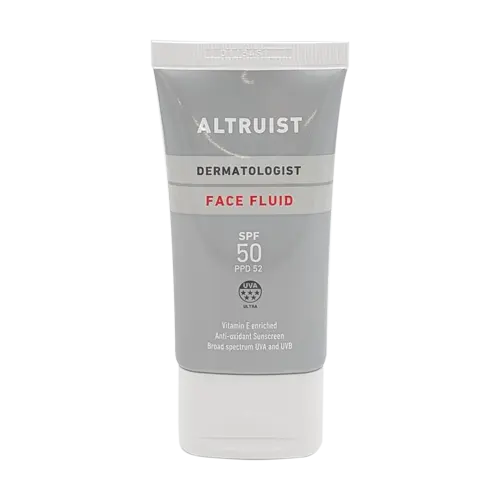
Most people apply less than half of the required amount of sunscreen. To achieve the SPF rating on the bottle, you need approximately two milligrams of product per square centimetre of skin. For the face and neck, this equates to about two full finger lengths of cream. Using a high-quality, cosmetically elegant formula like the Altruist Face Fluid SPF50 makes this easier, as it is designed to layer comfortably without leaving a heavy residue. Always check your sun care product’s instructions for application instructions.
The Reapplication Gap
Sunscreen filters break down when exposed to direct sunlight, and the physical layer can be rubbed off by clothing or perspiration. If you are outdoors, the NHS recommends reapplying every two hours. While this may seem excessive for an office environment, if you are out for a lunchtime walk or heading home in the afternoon sun, a fresh application is essential.
Missing the "Hidden" Spots
Commonly missed areas include the tops of the ears, the hairline, the back of the neck, and the tops of the feet. These are frequent sites for skin cancer development because they are often neglected during the morning routine.
SPF Isn’t Enough: Why Antioxidants Matter
While SPF is your first line of defence against UV rays, it is not a complete shield. No sunscreen blocks 100 per cent of UV radiation. The rays that do get through trigger the production of free radicals. These are unstable molecules that cause oxidative stress, damaging cellular structures and DNA.
This is where antioxidants become a non-negotiable part of a daily defence routine. By applying an antioxidant serum underneath your SPF, you create a secondary reservoir of protection. Antioxidants neutralise free radicals before they can cause lasting harm.
Choosing the Right Defence - Medical Grade Support From SkinLabs at Simply Meds Online
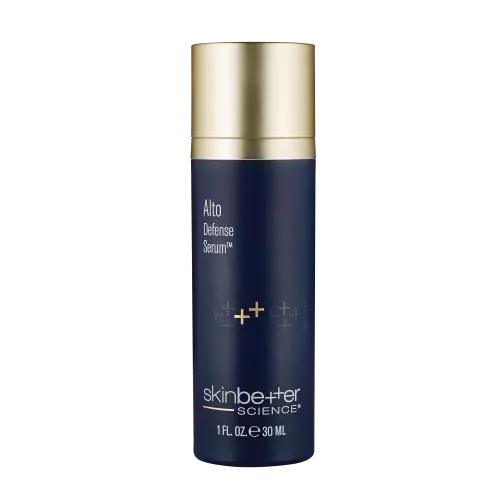
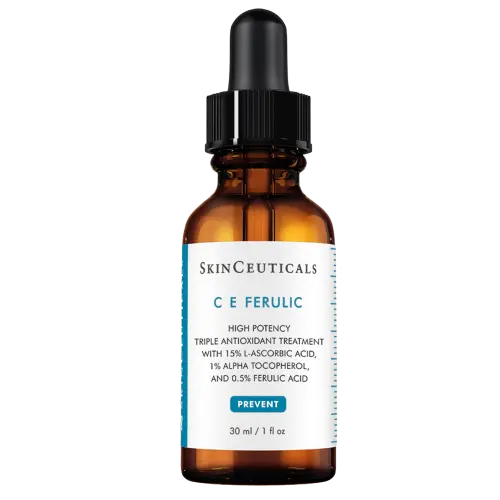
For those looking for professional-grade protection, consider SkinCeuticals C E Ferulic. It features a combined antioxidant blend of Ferulic acid and pure Vitamin C and E to enhance protection against environmental damage. Alternatively, Skinbetter Science Alto Defense Serum offers a comprehensive blend of 19 antioxidants to support the skin’s natural repair process.
Pairing a serum with a broad-spectrum protector like Altruist SPF50 ensures that you are tackling sun damage from both the outside in and the inside out.
How Skin Cancer Develops From Daily Exposure
Understanding the biological impact of UV helps move the conversation from beauty to health. Skin cancer is largely a result of cumulative (built up over time) damage. When UV light hits the skin, it can cause direct damage to the DNA in skin cells.
If the body’s internal repair systems cannot keep up with the frequency of this damage, mutations occur. These mutations can cause cells to multiply uncontrollably, eventually leading to tumours. This is why organisations like Cancer Research UK and Macmillan Cancer Support emphasise early detection and prevention. It isn't just about the one time you got a blistering burn as a child; it is about the thousands of hours of daily UV exposure that occur over decades. By wearing SPF every day in the UK, you are effectively halting daily damage.
What Your Skin Type Means for Your Risk
A vital part of skin cancer awareness is understanding your specific risk profile. Dermatologists use the Fitzpatrick Scale to categorise skin types based on the amount of pigment in the skin and how each skin type reacts to sun exposure.
The Fitzpatrick Scale and SPF Guidance
| Skin Category |
Physical Characteristics |
Reaction to UV Exposure |
Vulnerability Level |
Recommended Daily Strategy |
| Type I |
Extremely fair, often with freckles; red or light blonde hair; cool-toned eyes. |
Rapidly develops painful burns; is incapable of tanning. |
Maximum Risk |
Use SPF 50+ year-round; physical barriers like hats are highly recommended. |
| Type II |
Fair-skinned; typically blonde hair and blue or grey eyes. |
Frequent burning with very minimal, gradual tanning. |
High Risk |
Consistent SPF 50 is essential; focus on "hidden" window exposure. |
| Type III |
Fair to light brown skin; any hair or eye colour combination. |
Occasional mild burning; eventually develops a light brown tan. |
Significant Risk |
SPF 30 to 50; prioritise antioxidants to combat cumulative damage. |
| Type IV |
Olive or light Mediterranean skin tones; dark hair and eyes. |
Rare instances of burning; tans very easily and deeply. |
Moderate Risk |
SPF 30+; focus on preventing UVA-induced dark spots and melasma. |
| Type V |
Naturally radiant brown skin, dark hair and eyes. |
Almost never burns; skin darkens immediately upon sun exposure. |
Moderate (Often Underestimated) |
SPF 30; protection is vital to prevent cellular changes and uneven tone. |
| Type VI |
Deeply pigmented dark brown to black skin. |
Does not burn in the traditional sense; it provides high natural UV resistance. |
Lower (But Still At Risk) |
SPF 30; vital for preventing acral lentiginous melanoma (ALM). |
The Danger of the Base Tan
There is a dangerous myth that having a base tan protects you from further damage. A tan is actually a sign that your skin has already been damaged; it is a distress signal. While people with Fitzpatrick Type V and VI have more natural melanin protection, they are still at risk for skin cancer. Often, in darker skin tones, skin cancer is diagnosed at a much later stage, making it harder to treat.
Regardless of your skin type, the American Academy of Dermatology recommends broad-spectrum protection for everyone. Those with fairer skin types should look toward high protection options like Altruist SPF30 for the body and SPF50 for the face, while those with darker skin types may find the lightweight, non-chalky finish of the Altruist Face Fluid particularly beneficial for daily wear without a white cast.
A Daily Commitment to Health
Skin Cancer Awareness Month is a reminder that our skin is our largest organ and our primary barrier against the environment. Protecting it should not be a seasonal chore but a daily habit, much like brushing your teeth.
By acknowledging the hidden ways you are exposed to UV every day and correcting common sunscreen mistakes, you take control of your long-term health. Whether it is through a high-quality antioxidant serum or a reliable daily SPF, the steps you take today are an investment in your future self.
For more information on skin cancer signs and symptoms, please visit the British Association of Dermatologists or the NHS website. To find the right protective products for your skin type, explore the range available at Simply Meds Online.


 Account