Summer Sun Damage Prevention and Repair
Published:
1st Jul 2026
Skin Care
With summer just around the corner, many of us are looking forward to enjoying some well-deserved sunshine. Unfortunately, this is also the season when our skin faces its greatest challenge. Understanding the impact of ultraviolet radiation and implementing a robust protection strategy is essential for maintaining skin health. In this blog post, we’ll explore how to safeguard your skin and how to address existing signs of damage.
Types of Sun Damage
Sun damage is much more than just a temporary sunburn. It is a progressive process, the cumulative effects of which become more visible over time. Damage is primarily caused by two types of UV rays. UVB rays are short, high-energy waves that primarily affect the skin surface, causing redness, burning, and immediate discomfort.
UVA rays possess a longer wavelength, allowing them to penetrate deeper into the dermis. These are responsible for the long-term, structural damage often referred to as photoageing.
The visible signs of sun damage include:
- Fine Lines and Wrinkles: UV radiation breaks down essential collagen and elastin fibres, causing the skin to lose its firmness and elasticity.
- Hyperpigmentation and Uneven Tone: The sun triggers an overproduction of melanin, leading to sunspots, age spots, and a mottled complexion.
- Actinic Keratoses: These are rough, scaly patches on the skin that are a direct result of chronic sun exposure and are a serious health consideration.
- Loss of Elasticity (Solar Elastosis): Over time, skin can become thickened, leathery, and loose due to the extensive damage to elastic tissue.
Why SPF is Daily, Not Seasonal
A common misconception is that sun protection is only necessary on bright, sunny days or during the summer months (therefore, rarely in the UK). This is perhaps one of the biggest mistakes in skincare. The truth is that UV rays are present 365 days a year, regardless of the weather or the temperature.
Even on a completely overcast winter day, up to 80% of UV radiation still reaches the earth's surface and your skin. UVA rays, which cause long-term ageing, can penetrate through window glass, meaning your skin is exposed even when you are indoors or driving.
Daily Sun Protection 365 Days a Year
Applying broad-spectrum SPF should be a foundational step in your daily morning routine, every single day. Consistent, daily use of sunscreen is your single most powerful defence against premature ageing and a critical component of healthy skin maintenance.
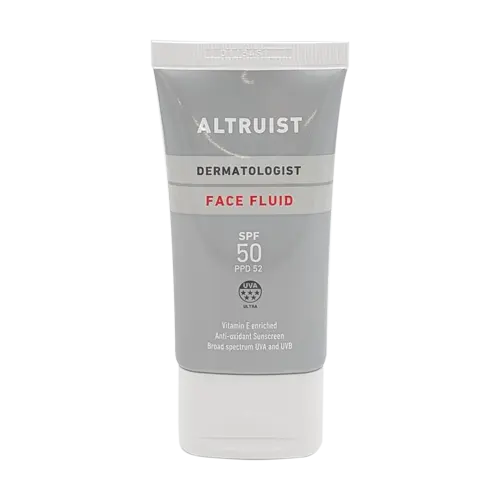
One exceptional option for robust protection is the Altruist Face Fluid SPF 50. Developed by UK dermatologists, this formulation offers high-level, broad-spectrum protection against both UVA and UVB rays. Its lightweight formula is fragrance-free and non-comedogenic (it won’t clog your skin), making it suitable for all skin types and comfortable for everyday use. Altruist is a popular choice for those looking for professional-grade protection that is affordable.
Role of Antioxidants in Neutralising Free Radicals
While SPF is your first line of defence, it isn't foolproof. Some UV rays still manage to penetrate the skin. When they do, they generate free radicals, which are unstable, highly reactive molecules that cause damage to cellular structures, including lipid membranes, proteins, and even your cell's instructions. This is a process known as oxidative stress.
Antioxidants can help. Antioxidants are molecules that can safely neutralise these free radicals, preventing them from causing harm. Think of them as your skin's second internal shield, capturing the damaging molecules that the sunscreen missed. Integrating an antioxidant serum into your routine, layered under your SPF, provides a combined strategy that significantly boosts your skin’s overall protection against environmental stressors.
Antioxidant Support Products From SkinLabs
A reliable, high-quality antioxidant product choice is SkinCeuticals C E Ferulic. As a clinical-grade serum, this patented combination contains 15% pure Vitamin C (L-ascorbic acid), 1% Vitamin E (alpha tocopherol), and 0.5% ferulic acid. Together, these ingredients deliver advanced environmental protection while also visibly improving signs of ageing and photodamage, such as fine lines and a dull complexion.
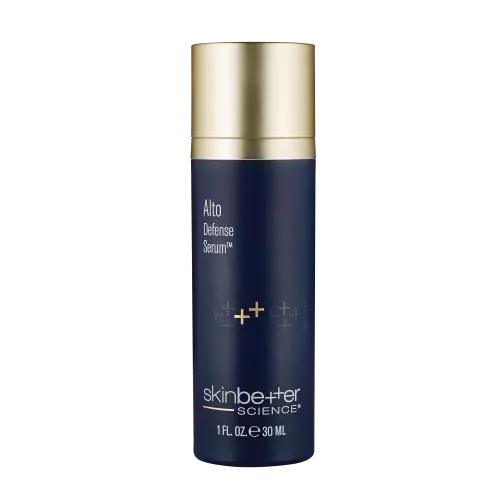
Another popular option for those looking for long-term skin support is the Skinbetter Science Alto Defense Serum. This serum contains an impressive blend of 19 antioxidant ingredients. Its purpose is to provide a comprehensive shield against free radicals, not only from UV light but also from other environmental sources like pollution and blue light. Regular use helps to improve the appearance of skin tone and overall skin health, making it an ideal choice for complete protection.
Ingredients that Improve Visible Uneven Tone
If you are already noticing the effects of sun damage, particularly in the form of hyperpigmentation and uneven skin tone, specific skincare ingredients can help address these visible concerns. These ingredients typically work by gently exfoliating the skin, regulating the production of pigment, or brightening the overall complexion.
Look for formulations containing:
- Vitamin C: For its potent skin brightening properties.
- Alpha Arbutin or Kojic Acid: To help lighten the appearance of hyperpigmentation.
- Niacinamide (Vitamin B3): Helps even tone and strengthen the skin's barrier.
- AHAs (like Glycolic Acid): These exfoliate the skin surface, removing discoloured skin cells and promoting renewal.
For targeted correction of uneven tone, Skinbetter Science Even Tone Correcting Serum contains a proprietary Multi Action b3 Complex, along with Alpha Arbutin and other powerful brightening ingredients. It works to improve the appearance of hyperpigmentation and discourages its return, promoting a more even and healthier complexion.
Long-Term Prevention Strategy
The best strategy for managing sun damage is to prevent it in the first place. Achieving this requires a long-term, dedicated commitment. Here is an example of a skincare strategy for ongoing skin health that will help protect, strengthen, and support:
- Daily SPF: Rain or shine, summer or winter, indoors or out. Apply a generous layer of broad-spectrum SPF every single morning and reapply as necessary, especially if sweating or swimming.
- Strategic Use of Antioxidants: Make an antioxidant serum a non-negotiable part of your morning skincare routine, layered under your SPF, for superior protection.
- Seek Shade and Protective Clothing: Wear wide-brimmed hats, UV protective sunglasses, and lightweight long sleeves. Seek shade during peak UV hours, typically between 11 am and 3 pm.
- Listen to Your Skin: Pay attention to how your skin responds to sun exposure. Regularly check your skin for new moles or changes in existing ones, and seek professional advice for any concerns.
Prevent Summer Sun Damage With SkinLabs at Simply Meds Online
By adopting a comprehensive approach that prioritises prevention and strategically incorporates repairing treatments, you can enjoy the summer while ensuring your skin remains healthy, protected, and radiant for the long-term.
SkinLabs is here to provide you with the clinical-grade products and expertise to support your journey to healthier skin.


 Account