Are Malaria Tablets Free On NHS?
Published:
14th Nov 2017
Malaria
Malaria treatment is not free on the NHS because it not considered a danger to the public if it is brought into the country. The only free vaccines on the NHS are for; cholera, diphtheria, hepatitis A and Typhoid. People can catch these diseases from you when you get home. There is no vaccine for malaria so you have to take preventative medication. Malaria is a very serious illness that is sometimes fatal. You take the tablets a few days before you travel and during your stay.
When you get home you have to take them for a further two weeks. Your doctor will prescribe your medication and will ensure that you have the treatment that suits you the best. Malaria treatment is more refined than it used to be.
What Is Malaria?
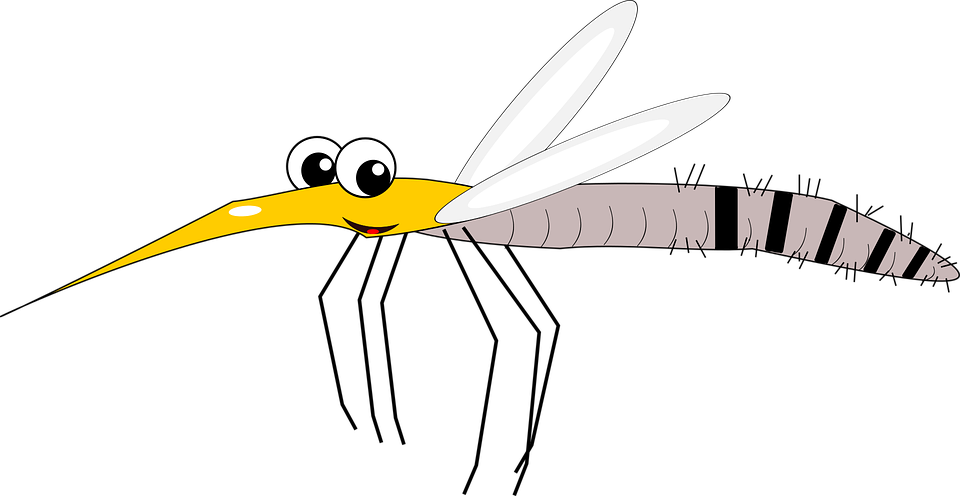
Malaria is a bacterial infection spread by a female mosquito. The mosquito infects you with a parasite which causes the illness. You will have flu-like symptoms with fever and chills if you have the infection. Some people get very ill and can suffer from brain damage and coma. Fortunately, malaria is preventable and most people don’t experience any symptoms.
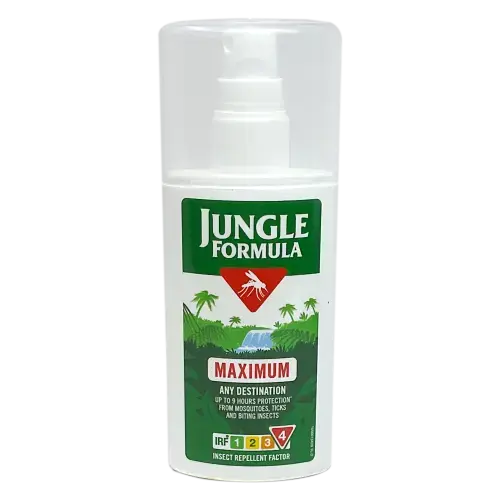
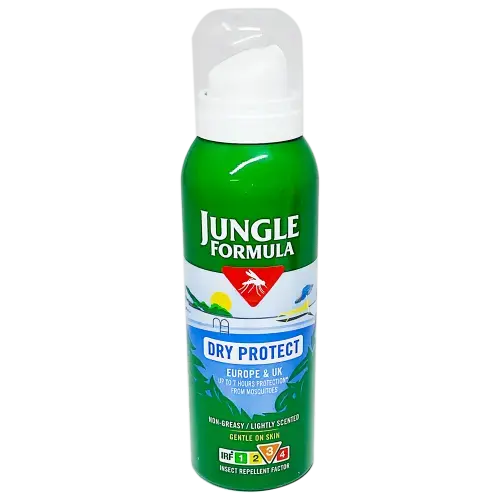
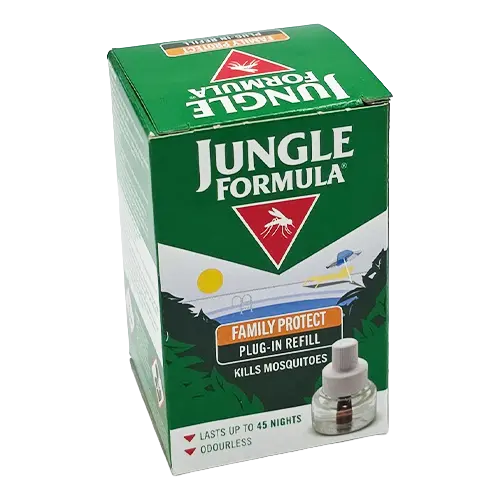
When you arrive at your destination you can reduce your chances of getting infected by wearing loose fitting clothes that cover your whole body. If you sleep under a mosquito net and use insect repellent you can deter mosquitoes from biting you. You can’t catch malaria from another person unless you have a blood transfusion. Some people show symptoms months after they return from their holiday. If you suddenly feel ill a long time after your trip you must visit your doctor to make sure that it isn’t malaria.
High-Risk Countries
You are only at risk of catching malaria in tropical countries where the environment is hot and wet. There are 100 countries in the world where you can catch the infection. High-risk areas include; Africa, South Asia, Central and South America, the Caribbean, the Middle East and Oceania.
According to the Centre For Disease Control half of the world’s population is still at risk of catching malaria. Malaria is most common in developing countries. Efforts have been made to eradicate the disease but were unsuccessful. Countries in the Western world have been able to eliminate the disease.
Treatments
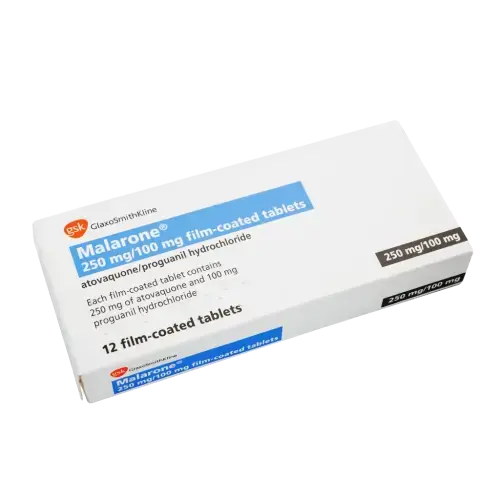
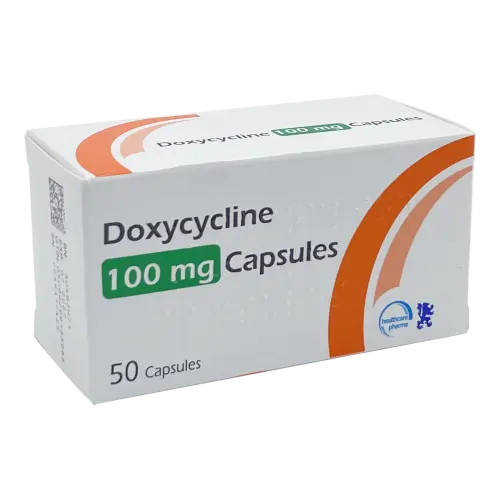
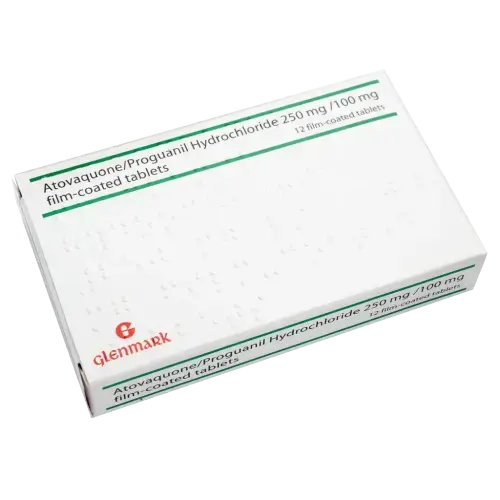
Antibiotics prevent Malaria, the most common ones are; Doxycycline, Atovaquone/Proguanil and Malarone are effective treatments. Modern medication is much easier to take and the side effects are more likely to be light sensitivity than psychosis.
Doxycycline is the lowest cost treatment which you take once a day while on your trip. You start taking it up to two days before travelling and for a further four weeks on your return. The main side effect is light sensitivity which may be an issue if you are intending to spend time in the sun.
Malarone costs the most and you take it once a day. It has hardly any side effects and you take it two days before your trip and seven days after you return. Atovaquone/Proguanil is in the medium price range and has few side effects and is taken in the same way as Malarone.
You take one tablet once a week starting up to three weeks before you leave and for four weeks after. Side effects include; dizziness, mood changes and anxiety. Your doctor will help you to choose the right medication for you by taking your budget and general health into consideration. To review and purchase malaria treatment please click here.


 Account