Is Your Hay Fever Worse at Night? Understanding Why and Avoiding Sleep Disruption
Published:
7th May 2026
It is a source of great frustration for many allergy sufferers that they can feel relatively healthy during the day, only to be hit by a wave of sneezing and congestion the moment they try to settle down for the night.
If you find that your hay fever symptoms intensify after the sun goes down, you are certainly not alone. There are several environmental and biological reasons for this, ranging from the way pollen moves through the air to the specific hygiene habits we maintain in our homes.
The Evening Pollen Descent
The primary reason for nighttime flares is a process known as the "pollen shower." During the heat of the day, warm air rises and carries microscopic pollen grains high into the atmosphere.
As the air cools in the evening and throughout the night, it begins to sink back down to ground level. This creates a concentrated layer of pollen exactly at the height of your bedroom windows.
Pollen Tracking and Indoor Irritants
Another major factor is the amount of pollen you track into your home throughout the day. Pollen is incredibly sticky; it clings to your clothing, your hair, and even your skin.
If you spend time outdoors and then get into bed without changing or showering, you are effectively turning your sleeping area into a high pollen zone. This is further complicated by the presence of indoor allergens like dust mites or pet dander.
If your immune system is already sensitised by tree pollen, these everyday household irritants can trigger a much more severe reaction. This often leads to allergic “shiners” or dark circles under the eyes that are visible the following morning.
Tips for a Restful and Sneeze-Free Night
To combat nighttime hay fever, it is essential to adopt a strict evening decontamination routine. Showering before bed is perhaps the most effective way to ensure you are not bringing the outside world into your sheets.
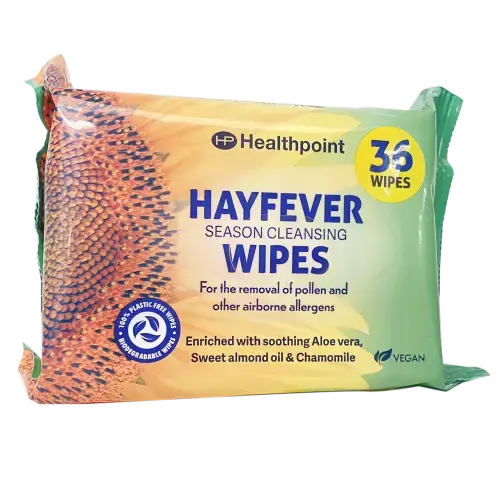
You should also consider using Hay Fever cleansing wipes to quickly wipe down your face and eyelids after a commute or a walk. These are specifically designed to remove allergens before they trigger a reaction.
It is also wise to keep your pets out of the bedroom entirely during tree pollen season. Their fur acts like a moving filter that collects pollen from every bush and tree they encounter on their walks, which is then transferred to your carpets and bedding.
Creating a Protected Sleeping Environment
Ensuring your environment is as clean as possible will help your body recover overnight. Using an air purifier with a HEPA filter can remove the majority of airborne particles from your bedroom, while keeping windows firmly shut between dusk and dawn is vital.
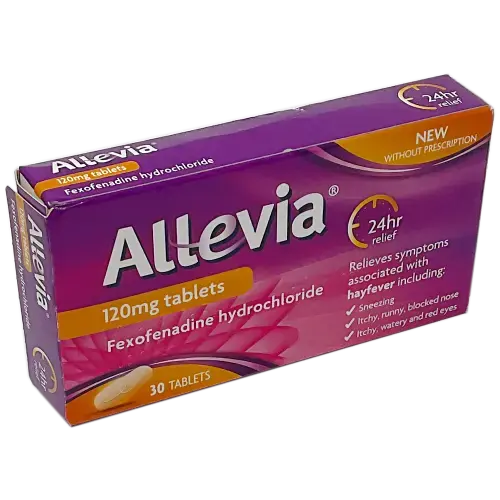
Taking a non-drowsy antihistamine like Allevia or Piriteze can help keep your histamine levels stable while you sleep. These long-lasting formulas are designed to provide 24-hour relief, ensuring you do not wake up with a blocked nose.
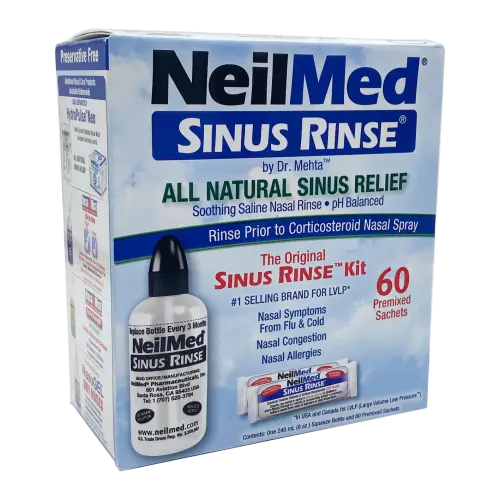
For those who suffer from severe nighttime congestion, using a NeilMed Sinus Rinse before bed can physically wash away the day's pollen from your nasal passages. This helps to reduce inflammation and allows for much clearer breathing throughout the night.
Get On Top of Allergies to Reclaim your Restful Sleep
Nighttime hay fever can be exhausting, leading to poor sleep and significant daytime fatigue. However, by understanding how pollen behaves in the evening and taking steps to pollen-proof your bedroom, you can find significant relief.
Combining good hygiene habits with the right hay fever treatments will allow your body to rest and recover properly. This ensures you can wake up feeling refreshed and ready to enjoy the Spring weather rather than fighting against it.
Explore our full range of allergy relief products at Simply Meds Online to find the right combination of support for your needs this season.


 Account