How to Repair the Skin Barrier: A Gentle Guide to Calming Compromised Skin
Published:
12th May 2026
Skin Care
If your skin feels tight, looks red or blotchy, and you find yourself experiencing breakouts, you might have a damaged skin barrier. This is a common issue, but thankfully, with the right products and a consistent approach, your skin barrier can recover. This means that your skin will be calmer, and related redness and breakouts will be improved.
At SkinLabs, here at Simply Meds Online, we believe in a gentle, effective approach to skincare, working with medical-grade products to boost skin health and simplify and enhance your routine.
What is the Skin Barrier?
The skin barrier is the outermost layer of your skin. Think of it as your skin’s protective shield or its first line of defence. It is composed of skin cells and lipids (fats like ceramides, cholesterol, and fatty acids) arranged like bricks and mortar in a wall.
This structure works incredibly hard to:
- Keep Moisture In: It prevents water from evaporating from your skin (known as Transepidermal Water Loss or TEWL), which is crucial for hydration.
- Keep Irritants Out: The skin barrier acts as a shield against environmental aggressors like pollution, bacteria, and allergens.
- Maintain Healthy pH: It helps keep your skin slightly acidic, which is essential for a balanced microbiome
A strong skin barrier means plump, hydrated, and calm skin. A compromised skin barrier is like having cracks in your skin shield, which leaves your skin vulnerable and increases the risk of skin issues.
Signs of Barrier Damage
Knowing when your skin barrier is struggling gives you the opportunity to address the issue before skin flare-ups and redness become hard to manage. Here are some common signs of skin barrier damage:
- Redness and Inflammation: Your skin may look flushed or have persistent red patches.
- Increased Sensitivity: Products that used to be fine might now sting or burn upon application.
- Dryness and Dehydration: Skin feels tight, rough, or flaky, even after you apply moisturiser.
- Unexpected Breakouts: A compromised barrier can lead to spots and blemishes, even if you are not usually prone to them.
- Texture Changes: Your skin might lack its usual smoothness and look dull or "crepey."
Common Causes of a Compromised Barrier
Identifying the root cause is the first step towards healing. Some common triggers for compromised skin include:
- Over-Exfoliation: This is a major cause. Using harsh chemical exfoliants (AHAs, BHAs) too frequently or scrubbing too hard can strip away essential lipids. While your skin may feel smooth in the short term, over-exfoliating causes longer-term problems.
- Harsh Cleansers: Using cleansers that contain harsh sulfates can strip your skin of its natural oils. Here at SkinLabs, we choose active ingredients that are effective and more gentle than other cosmetic alternatives.
- Environmental Stressors: Long exposure to extreme weather, such as harsh sun, wind, or central heating, can take a toll.
- Hot Water: Washing your face with excessively hot water can be very drying and irritating. A gentle yet effective clinical-grade cleanser alongside warm water is a much more effective way to clean without causing damage to your skin.
Ingredients that Support Recovery
When it comes to barrier skincare, it is all about replenishing and protecting. Look for products containing these key ingredients:
- Ceramides: These are the essential lipids that make up your "mortar."
- Hyaluronic Acid: A powerful hydrating ingredient that helps to lock in moisture.
- Niacinamide: This helps to soothe redness and supports the production of ceramides.
- Squalane: A lightweight oil that mimics the skin’s natural sebum to provide moisture without clogging pores.
Your Skin Barrier Repair Routine
To fix a damaged barrier, you must adopt a minimalist approach. This means stripping back your routine to the basics for at least two to four weeks.
1. Cleanse Gently
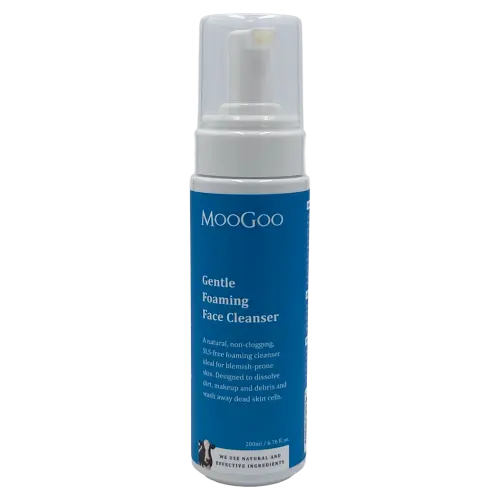
Stop using harsh foaming or exfoliating washes. Switch to a cream or milk-based cleanser that respects your skin's pH and cleanses without irritation.
Recommended Products: Consider MooGoo Gentle Cleanser or browse our full range of barrier-friendly cleansers.
2. Hydrate and Soothe
Apply a calming serum to damp skin to trap moisture.
Recommended Products: Try SkinCeuticals Phyto Corrective for botanical-based calming, or Skinbetter Science Mystro Active Balance Serum to support skin balance.
3. Moisturise and Seal
Use a rich moisturiser to "patch" the holes in your barrier. Products from the MooGoo range are excellent for sensitive, compromised skin.
4. Protect Your Skin
UV rays further weaken a struggling skin barrier. Even if you are staying indoors, a gentle mineral or dermatologist-led sunscreen is vital.
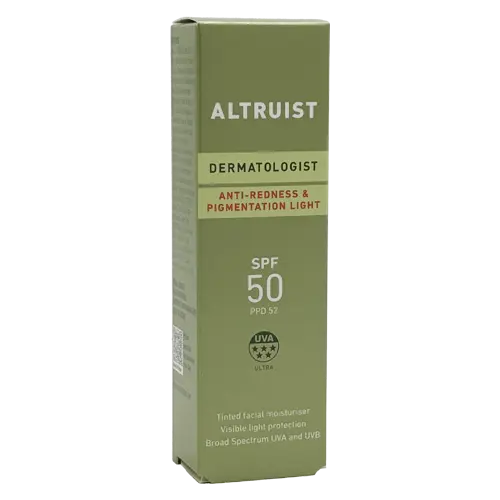
Recommended Products: Use Altruist Dermatologist Sunscreen SPF30 or an alternative from the SkinLabs Protect range.
When to Reintroduce Active Treatments
The biggest mistake is rushing back to retinols or acids too soon. You should only reintroduce "actives" (active ingredients) once your skin feels completely comfortable, with no stinging or redness, for at least two weeks. Think of it as a detox for your skin.
Start by using your active product just once a week and monitor how your skin feels the next morning. If there is no reaction, you can slowly increase the frequency.
Repairing your skin barrier is a journey that requires patience. By focusing on hydration and protection, you will soon see your healthy, glowing complexion return.
Find trusted clinical-grade skincare products at SkinLabs, which will help you cleanse, treat and protect your skin.


 Account