Cystitis When Pregnant What To Take?
Published:
26th Feb 2018
Cystitis / UTI
Cystitis is a common urinary tract infection that usually goes by itself. Women get it more than men because their urethra and back passage are closer together.
Drinking more liquid, applying heat and taking painkillers help to relieve pain and clear it up. Antibiotics clear up stubborn infections. Hormone and body changes during pregnancy cause cystitis. The balance of bacteria alters, increasing the risk of urinary tract infection.
The bladder emptying slowly and pressure on the bladder also increase the risk of infection. If you require antibiotics, you must inform your doctor that you are pregnant.
Ways to prevent cystitis include:
- drinking lots of water
- avoiding caffeinated drinks
- empty your bladder fully and
- don’t delay going to the toilet.
You may suffer from cystitis a number of times during your pregnancy so it is important that you look after yourself.
What Is Cystitis?
Cystitis is a common urinary tract infection caused by bacteria entering the bladder. Women are more prone to it than men because they have a shorter urethra.
Causes include:
- sexual intercourse
- scented soap
- wiping from back to front and
- using a diaphragm for contraception.
Women are more prone to having cystitis during pregnancy due to body changes.
Mild cases are treatable with plenty of liquids, a hot water bottle, emptying your bladder and resting. If symptoms persist after a few days, you must see your doctor who will prescribe antibiotics. You are more likely to get it if you are diabetic, menopausal, pregnant or have an enlarged prostate.
Interstitial cystitis is a chronic condition caused by damage to the bladder. Middle-aged women generally suffer from this condition and antibiotics are ineffective. Women have to change their lifestyle and try a variety of treatments to relieve symptoms.
Antibiotics And Pregnancy
Taking any type of medication during pregnancy is risky so it is important that your doctor knows you are pregnant before prescribing treatment. Cystitis is a bacterial infection that responds well to antibiotics.
It leads to kidney infections if left untreated, which is harmful to you and your baby. Doctors are very careful when choosing which antibiotic to prescribe for pregnant patients. Every antibiotic is different and has variable effects on an unborn child.
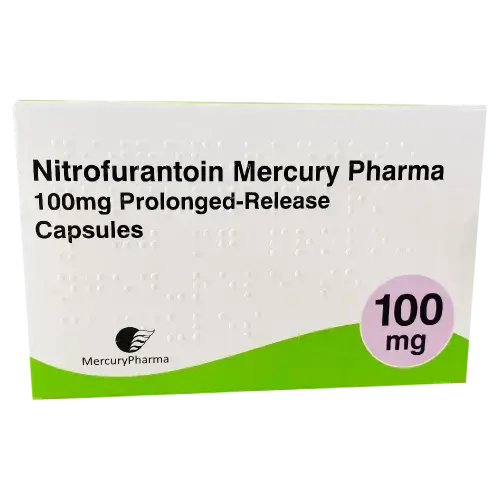
Trimethoprim is usually prescribed to treat cystitis, but is not recommended if you are pregnant. Your doctor will only prescribe it if it is beneficial to both you and the baby. Nitrofurantoin is a safer alternative for pregnant women but shouldn’t be taken during labour.
It is vitally important that you ask your doctor for advice if you require treatment during pregnancy. Avoid getting an infection by drinking plenty and making sure you empty your bladder. Your baby may be resting on your bladder causing irritation.
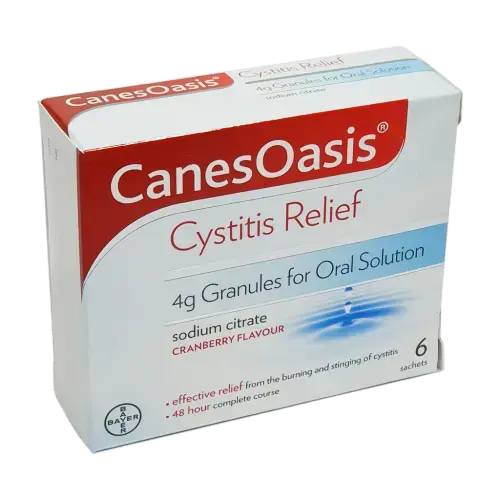
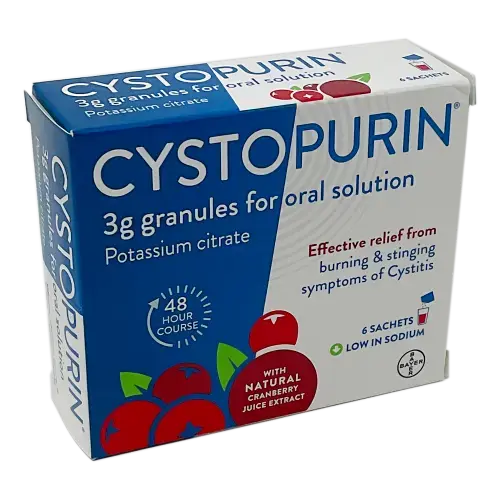
To review and purchase cystitis treatment, please click here.


 Account