What is Influenza (flu)?
Flu is a contagious respiratory illness caused by influenza viruses. It attacks the respiratory system (nose, throat and lungs). Flu is not the same as stomach flu' viruses which cause diarrhoea and vomiting. It is also different from the common cold.
Flu usually develops suddenly and may seem like a cold with a runny nose, sneezing and sore throat to start. However, if you have flu you will find you will generally feel a lot worse than you would with a cold. A common cold usually develops much more slowly, and you don't feel so ill.
How can you get Influenza (flu)?
The virus travels through the air in droplets when someone with the infection sneezes, coughs or talks. These droplets can be inhaled directly or you can pick up the germs from items which you may touch with your hands (example: mobile phone, keyboard, door handles) and they are then transferred to your eyes, nose or mouth.
How long are you contagious for when you get the flu?
Someone who has the flu virus is usually contagious a day before symptoms appear until five days after they start.
Children, 65-year-olds and older, and people with a weakened immune system may be contagious for longer.
What are the Symptoms of Influenza (flu)?
- Fever and/or chills and sweats
- Aching muscles
- Headache
- Dry persistent cough
- Shortness of breath
- Tiredness and weakness
- Runny and stuffy nose
- Sore throat
- Eye pain
- Vomiting and diarrhoea (this is more common in children than adults)
Please be aware that you may not suffer from all these symptoms if you have the flu.
People with an increased risk of developing flu or complications with it are:
- Young children 6 months to 5 years and the elderly 65 years and over are usually targeted by seasonal flu.
- People who live or work in facilities with many other residents (Example: Nursing homes, hospitals, etc)
- People who have a weakened immune system (Example: Cancer patients, organ transplant patients, patients with HIV or AIDS, etc)
- People with chronic illness (Example: Asthma, diabetes, heart disease etc)
- People of native american background.
- People under 19 who are on long-term aspirin therapy.
- Pregnant people (more likely to develop complications, especially during the second and third trimesters). Also up to two weeks after the birth of the child.
- Obese people who have a BMI of 40 or more.
Complications with flu can include pneumonia, bronchitis, asthma flare-ups, heart problems, ear infections and acute respiratory distress syndrome.
How to avoid the spread of Flu
- Wash your hands thoroughly.
- Cover your mouth or nose if you cough or sneeze (then wash your hands and bin used tissues as quickly as possible)
- Clean surfaces
- Avoid crowds
What treatments are available for the flu?
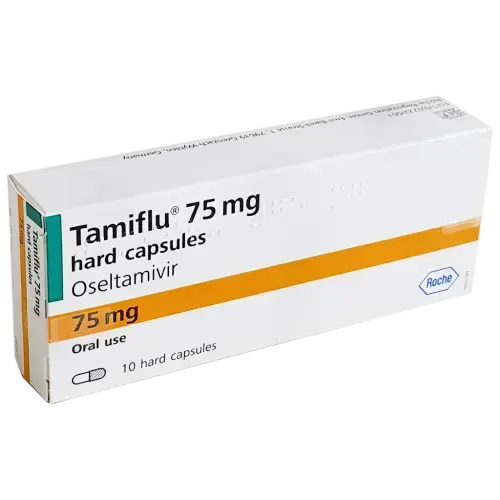
- Anti-Viral drugs (we stock Tamiflu)
- Flu vaccination
- Over-the-counter medicines (see our cold and flu section)
Anti-viral drugs are best taken ASAP once you have the flu. Best results are generally seen when treatment is started within two days of getting the flu. When taken this soon, it can lessen fever and flu symptoms and shorten the amount of time you are sick by one day.
These drugs can also reduce the risk of complications. You can take anti-viral drugs later than two days of getting symptoms, as it can still be beneficial, especially if you are more susceptible to complications.
Remember, anti-viral drugs are not a substitute for getting the flu vaccine. The flu vaccine is one of the best ways to help prevent seasonal flu and its potentially serious complications.


 Account