Why Is Period Pain Worse Some Months?
Published:
14th May 2018
Period Pain
Period pain is just one of the symptoms women suffer during menstruation. Other symptoms include low mood, fatigue, bloating, swollen breasts and generally feeling unwell. Women suffer period pain because the uterus contracts to expel the womb lining. Every contraction deprives the muscles of oxygen causing pain ranging from a dull ache to agony. Primary dysmorphia is another name for period pain and refers to natural pain rather than gynaecological conditions.
Over the counter painkillers such as paracetamol and ibuprofen are sufficient enough to treat this type of pain. Endometriosis and polycystic ovaries (PCOS) cause extreme pain which needs intervention from medical professionals. Some women notice that their periods vary from month to month. It is perfectly natural for blow flow and cramps to vary due to fluctuating hormones.
The contraceptive pill or Mirena coil help to regulate hormones and enable consistent periods. If the pain is getting increasingly worse each month you may have an underlying health condition causing the increase in discomfort (Source: NHS).
The womb contracting causes period pain due to oxygen deprivation in the muscles. Periods are more painful when the womb increases the production of prostaglandins which cause cramping. The cramps are similar to labour pains and encourage the lining of the womb to shed. Every month the uterus forms a lining in preparation for pregnancy.
If there is no egg the progesterone levels decrease prompting the womb lining to shed. This causes period pain and blood loss. Healthy women menstruate every month with each cycle lasting between 28 - 35 days. Girls start menstruating at 11 years old and finish after the menopause at 55. The main reasons women miss periods are; pregnancy, contraception, perimenopause and illness.
The intensity of period pain fluctuates as women age, childbirth and using the contraceptive pill. Health conditions such as endometriosis, PCOS and pelvic inflammatory disease cause severe period pain. These are conditions requiring medical intervention and your doctor will refer you to a specialist. Sexually transmitted infections also cause intense period pains if you suspect you have one you must either visit your doctor or sexual health clinic.
The most common treatments include over the counter painkillers such as ibuprofen and paracetamol. Gentle exercise or resting with a hot water bottle on your abdomen also helps to relieve pain.
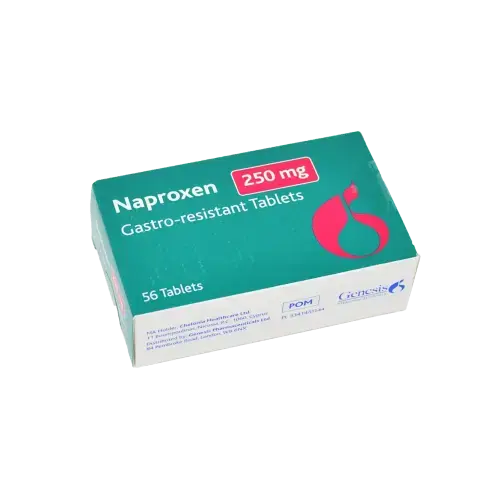
If these measures don’t stop the pain Mefenamic acid or Naproxen which are non-steroid anti-inflammatory drug (NSAID) helps to relieve pain. Regulating your hormones using contraceptive devices such as the pill, implant, Mirena coil and contraceptive injection can ease period pain.
A visit to your doctor will ascertain if you are suitable to take contraceptives. Older women who are heading for the menopause may receive HRT which also regulates periods. If endometriosis is the cause hormone therapy and surgery is an option. This is because cells similar to the womb lining occur outside the womb and attach themselves to other organs.
When the cell lining shed it is extremely painful. Sexually transmitted diseases such as pelvic inflammatory disease require antibiotics you must seek treatment for this as soon as you can as it may affect your fertility. If in doubt visit your doctor. To review and purchase treatment for period pain please click here. By Parv Sagoo (Sept 2017)


 Account