Genuine branded medication and products
Private and confidential
No hidden fees
Discreet next day delivery
ESTIMATED DELIVERY : Wednesday 17 Jul - Royal Mail Tracked 24
Order Within : 0
Diclofenac is a nonsteroidal anti-inflammatory drug (NSAID). This medicine works by reducing substances in the body that cause pain and inflammation. Diclofenac works by blocking the effect of chemicals in your body, called cyclo-oxygenase (COX) enzymes.
There are two forms of diclofenac - diclofenac sodium and diclofenac potassium. The main difference between the two is that diclofenac potassium is absorbed into the body more quickly than diclofenac sodium.
These enzymes help to make other chemicals in the body, called prostaglandins. Prostaglandins are produced at sites of injury or damage, and cause pain and inflammation. By blocking the effect of COX enzymes, fewer prostaglandins are produced, which means pain and inflammation are eased.
Diclofenac is not a suitable medicine for people who have heart disease (such as heart failure), or who have circulatory problems, or who have had a heart attack or a stroke. This is because it has been found that there is a small increased risk of heart attack and stroke in this group of people. Other anti-inflammatory medicines are more suitable for people with these conditions - ask your doctor or pharmacist for advice about an alternative medicine.
Browse other pain relief treatments here.
Diclofenac is a non-steroidal anti-inflammatory drug (NSAID) used to reduce pain and inflammation. It is commonly used to treat symptoms associated with back pain, muscle strains, and joint conditions like arthritis. It is also effective for managing dental pain and period pain.


You will usually start to feel the effects of diclofenac within 30 to 60 minutes of taking a dose. Diclofenac potassium is generally absorbed more quickly by the body than diclofenac sodium, making it a popular choice for rapid pain relief.
The frequency of your dose depends on your specific condition and the strength of the tablet. While many people take diclofenac two or three times a day, you must always follow the specific dosing instructions provided by your pharmacist or as written on your prescription label.
Diclofenac tablets are available in different strengths, such as 25mg and 50mg. The 50mg tablets are often used for more acute or severe pain. The correct strength for you will be determined during your consultation or review with our pharmacist, based on your medical history and the severity of your symptoms.
Diclofenac is typically intended for short-term use to manage flare-ups or acute pain. Guidance suggests taking the lowest effective dose for the shortest possible duration to manage your symptoms safely.
While both are NSAIDs, diclofenac is often considered to be more potent than ibuprofen for treating certain types of inflammation. However, being stronger does not make it suitable for everyone, and our pharmacist will assess which medication is safest for you and ensure you answer all consultation questions in detail.
Yes, it is generally safe to take paracetamol alongside diclofenac as they work in different ways. However, you must not take diclofenac with other NSAIDs such as ibuprofen or naproxen, as this significantly increases the risk of side effects.
While drinking alcohol in moderation is not strictly forbidden, it is advised to be cautious. Both alcohol and diclofenac can irritate the stomach lining, so combining them may increase your risk of indigestion or stomach upset.
The most common side effects include headaches, dizziness, and stomach-related issues like nausea or indigestion. To reduce the risk of stomach irritation, you should always take diclofenac tablets with or after a meal.
Diclofenac is not suitable for everyone. People with a history of heart disease, stroke, or stomach ulcers should generally avoid it. It is essential to complete a consultation so our pharmacist can ensure it is safe for you to use.
Yes, diclofenac is frequently used to treat musculoskeletal pain, including lower back pain and sports injuries. It helps by reducing the inflammation at the site of the injury, though it should be used as part of a wider recovery plan.
The primary difference is how quickly the medication enters your system. Diclofenac potassium is more soluble and is absorbed faster, providing quicker relief. Diclofenac sodium is often released more slowly, which can be useful for long-term management of chronic inflammation.
Diclofenac should be used for the shortest time necessary to control your symptoms. If you find you need pain relief for more than a few days, you should consult a healthcare professional for further advice.
In the UK, diclofenac tablets are no longer available as a standard over-the-counter medicine. They are classified as a prescription-only medication (POM), meaning you must complete a consultation with a healthcare professional or pharmacist to ensure the treatment is appropriate for you.
Before you start taking diclofenac, read the manufacturer's printed information leaflet from inside the pack. It will give you more information about diclofenac and will provide you with a full list of the side-effects which you may experience from taking it.
Like all medicines, diclofenac can cause side effects, although not everyone gets them.
Common side effects of diclofenac that happen in more than 1 in a 100 people:
Talk to your doctor or pharmacist if these side effects bother you or do not go away:
Find out more on the patient information leaflet
| Medication | Strength | Quantity | Price |
|---|---|---|---|
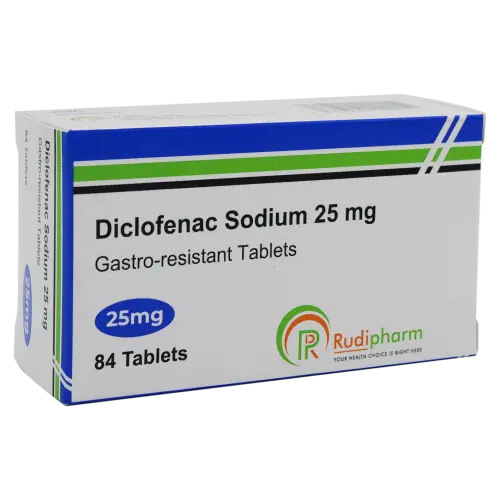
| Diclofenac Sodium 25mg Tablets (28) | 25mg | 28 tablets | £ 13.99 |
| Diclofenac SODIUM 25mg Tablets (56) | 25mg | 56 tablets | £ 19.99 |
| Diclofenac SODIUM 50mg Tablets (56) | 50mg | 56 tablets | £ 22.99 |
| Diclofenac SODIUM 50mg Tablets (84) | 50mg | 84 tablets | £ 24.99 |
| Diclofenac SODIUM 25mg Tablets (84) | 25mg | 84 tablets | £ 25.99 |
If you get any side effects, talk to your doctor or pharmacist. This includes any possible side effects not listed in the above description and patient information leaflet. You can also report side effects directly via the Yellow Card Scheme at: www.mhra.gov.uk/yellowcard or search for “MHRA yellowcard” in the Google Play or Apple App Store. By reporting side effects you can help provide more information on the safety of this medicine.
Quick turnaround on all orders
Same day dispatch with multiple couriers.
100% plain and secure delivery
Free UK Delivery on all Prescription Orders