Generic vs Brand-Name Drugs: What’s the Difference and Which Is Better?
Aug 20, 2025
General Health
Generic vs Brand-Name Drugs: What’s the Difference and Which Is Better?
When you’re handed a prescription or browsing for over-the-counter treatment, you may notice two versions of the same medicine. A well-known branded option and a cheaper alternative with a less familiar name. But what’s the difference between them? And is one better than the other?
Understanding how generic and or non-branded medications compare in terms of quality, safety, cost, and regulation can help you make confident and informed choices about your treatment. This Simply Meds Online blog post helps explain the differences and the benefits of each.
Why Understanding Generic vs Brand-Name Medication Matters for Your Health and Budget
Medicines are essential for managing both short-term illnesses and long-term health conditions. But costs can add up quickly, especially if you need regular treatment. Many patients are unsure whether choosing a generic version means sacrificing quality or if branded meds are worth the extra cost.
By learning the facts, you can save money without compromising your health. You’ll also be better prepared to discuss options with your doctor or pharmacist, ensuring you receive the most suitable treatment for your needs.
What Are Brand-Name Medications? Definition and Examples of Brand-Name Prescription Drugs
Brand-name medications are the original products developed and marketed by pharmaceutical companies. These drugs go through years of research, clinical trials, and regulatory approval before being released. The company that developed the drug holds a patent, allowing them to sell it exclusively under its brand name for a set number of years.
Examples include:
- Viagra/Sildenafil – a well-known treatment for erectile dysfunction
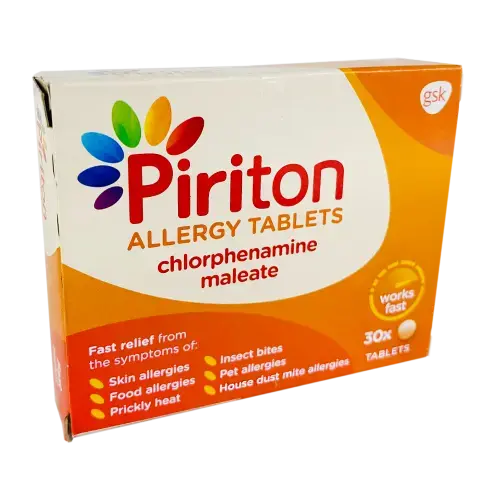
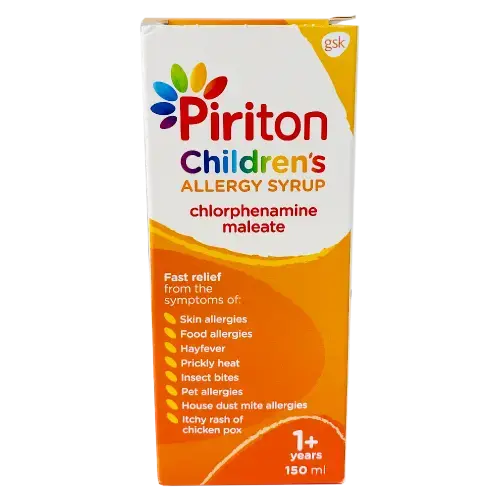
- Piriton/Chlorphenamine – a common antihistamine for hay fever and allergies
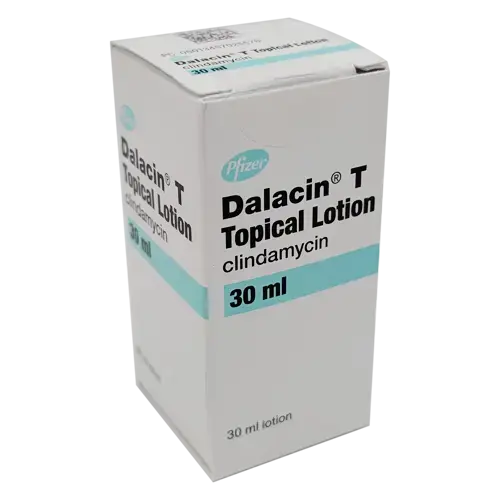
- Dalacin T/Clindamycin – a topical treatment for acne
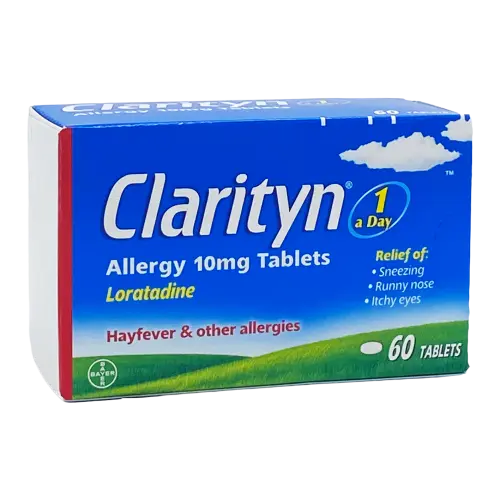
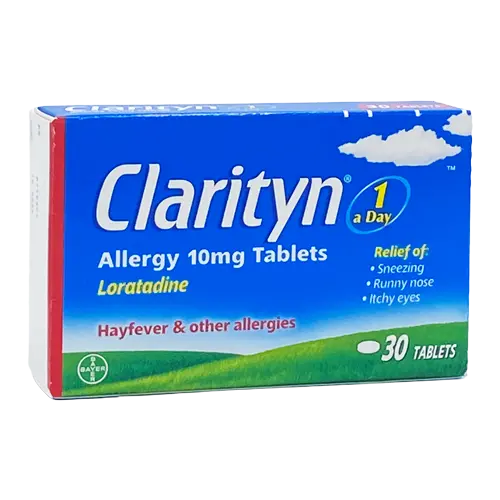
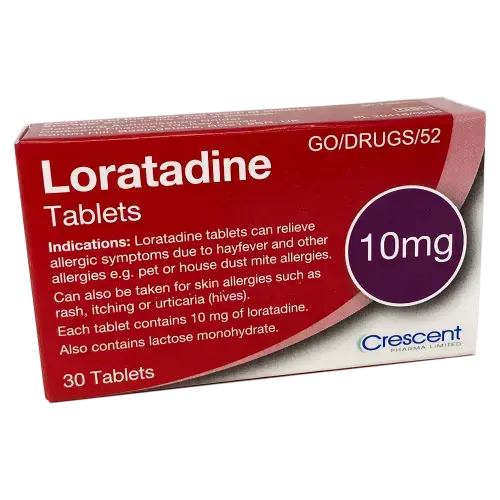
- Clarityn/Loratadine – a non-drowsy antihistamine for seasonal allergies
Once the patent expires, other manufacturers can produce generic versions using the same active ingredients.
What Are Generic or Non-Branded Medications and How Are They Made?
Generic medications (or non-branded) contain the same active ingredients as their branded counterparts, in the same strength and form (tablet, cream, etc). They are required by the UK’s Medicines and Healthcare products Regulatory Agency (MHRA) to meet strict standards for quality, safety, and effectiveness.
The main differences are usually in:
- Price
- Packaging
- Inactive ingredients such as binders, fillers, or colouring
For example:
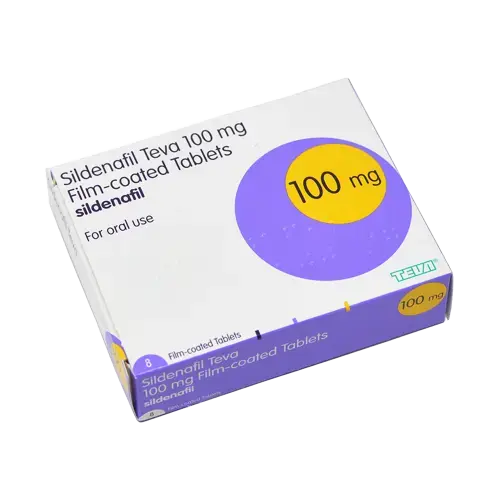
- Sildenafil is the generic version of Viagra. Both work in the same way to treat erectile dysfunction. The key difference? Sildenafil is significantly more affordable. See more here.
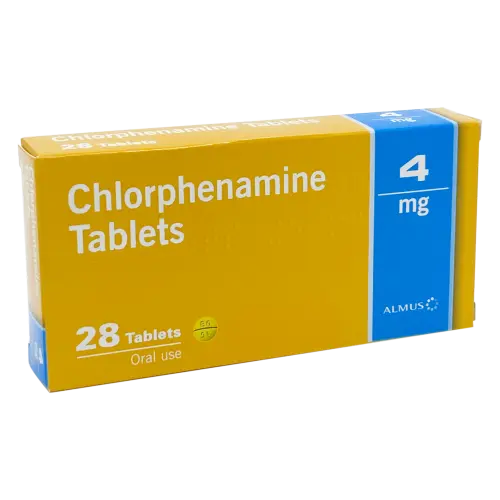
- Chlorphenamine is the active ingredient in Piriton. Both relieve allergy symptoms like sneezing and itching, and both may cause drowsiness. The generic option is usually less expensive. Explore Chlorphenamine options.
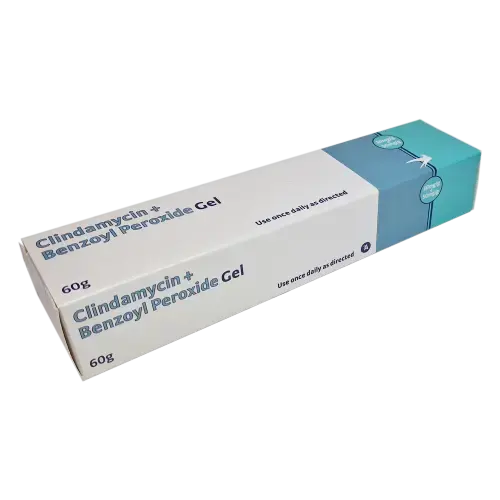
- Clindamycin is the generic name for the active ingredient in Dalacin T lotion, used for treating acne. The branded and generic creams are equally effective in managing bacterial skin breakouts. Compare options here.
- Loratadine, found in both generic tablets and the branded version Clarityn, is a less drowsy antihistamine. The two are clinically identical in action. View Loratadine tablets or Clarityn to see the price difference.
Do Generic Drugs Work the Same as Brand-Name Drugs?
Yes. Generic drugs must demonstrate bioequivalence to the original branded medication. This means they deliver the same amount of active ingredient into your bloodstream in the same time frame. The MHRA ensures that all generics in the UK meet high standards before being approved for sale.
Myths About Generic Medications: Are They Weaker or Less Safe?
It’s a common myth that generic medicines are “cheap knock-offs” or somehow less effective. In reality, they go through rigorous testing. According to the British Heart Foundation, many doctors and pharmacists routinely recommend generic options because they are just as effective as branded drugs. “These differences are rarely significant, which is why generic and branded medicines are almost always interchangeable” (BHF).
The only real differences are often cosmetic, such as a difference in shape, colour, or packaging. These do not affect how the drug works.
Why Generic Drugs Cost Less Than Brand-Name Drugs
Brand-name drugs are more expensive largely because they include the costs of:
- Research and development
- Patenting and licensing
- Marketing and advertising
Once a patent expires, generic manufacturers don’t have those costs and can sell the medication at a much lower price.
This doesn’t mean it’s lower quality; it simply means the company didn’t have to invest in developing the drug from scratch. As Pfizer explains, generic medicines offer affordable access to the same high-quality treatment.
When Doctors May Recommend Brand-Name Drugs Instead of Generics
There are a few scenarios where a healthcare professional may prefer a brand-name medicine:
- Narrow therapeutic index drugs. This is where small changes in dosage make a big difference
- If a patient has previously reacted to a particular generic brand’s inactive ingredients
- If the formulation or release mechanism varies slightly and affects how the drug is absorbed
For example, while Loratadine and Clarityn are medically equivalent, a doctor might recommend sticking with one if a patient finds it more effective or tolerable.
How to Discuss Generic vs Brand-Name Drug Options With Your Doctor or Pharmacist
It’s always a good idea to ask:
- “Is there a generic version of this medicine?”
- “Will the generic version work in the same way?”
- “Are there any side effects or differences I should be aware of?”
Your pharmacist can also help you compare options, especially if you’re switching brands or trying a medicine for the first time.
Making Informed, Confident Choices With Generic vs Brand Name Drugs
Whether you’re treating hay fever with Chlorphenamine or managing a skin condition with Clindamycin, knowing that generic drugs are safe, effective, and well-regulated should give you confidence.
Generic or non-branded medicines can help reduce your costs without compromising your care. And when you need a branded version, your healthcare provider will let you know why. The most important thing is to know you can ask questions in order to make the right choice for you.


 Account